We use cookies to enhance your browsing experience. If you continue to use our website we will take this to mean that you agree to our use of cookies. If you want to find out more, please view our cookie policy. Accept and Hide [x]
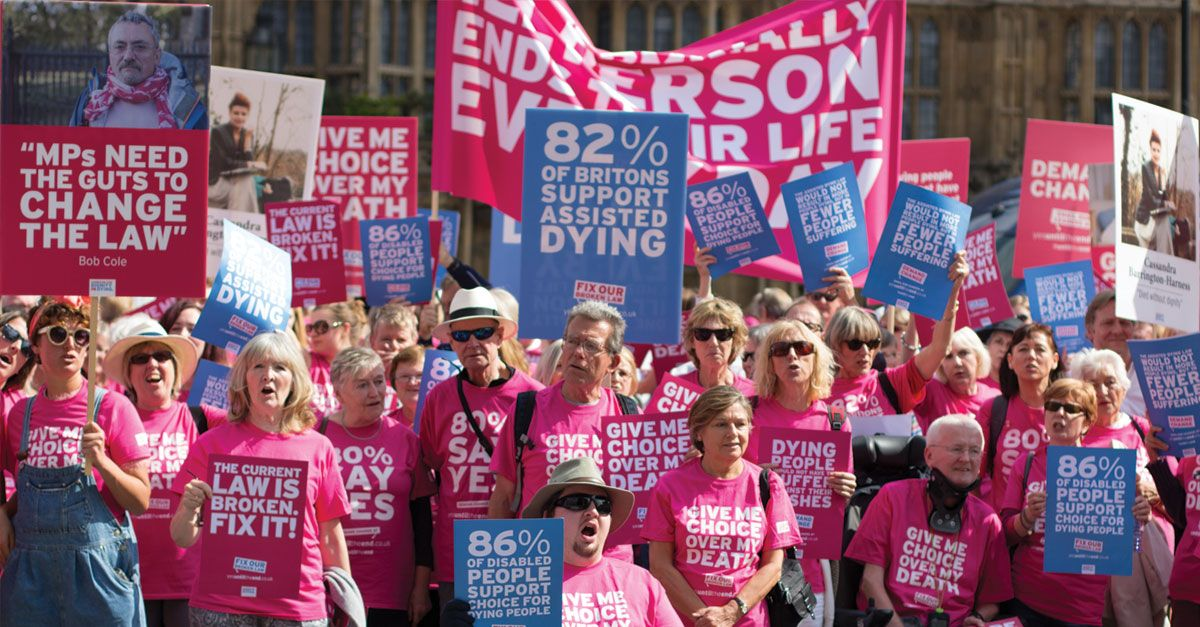
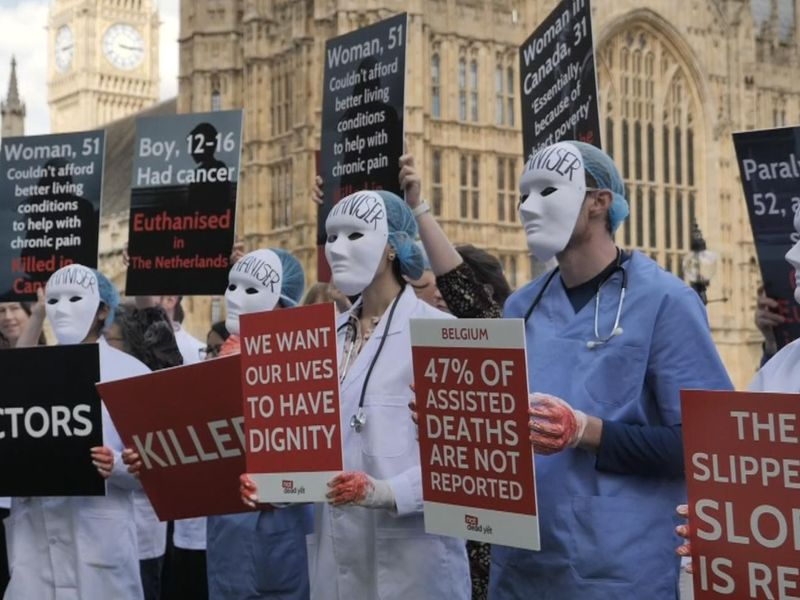
The Terminally Ill Adults (End of Life) Bill passed its second reading debate on 29 November 2024. The current draft of the bill is available here. The dates for the Committee Stage have not yet been announced. Supporters of the bill point out that the bill is limited to allowing assisted dying only for adults with mental capacity who have a terminal illness and can be reasonably expected to die within six months and has a range of safeguards. The process to request assistance requires the approval of two doctors (independent of each other) and a High Court judge. THe bill also creates an offence of dishonesty, coercion and pressure to protect vulnerable people from inappropriate pressures. However, critics of the bill cast doubt on the safeguards, arguing that people can shop around for doctors and that there are not enough High Court judges to provide sufficient scrutiny of applications. There are also continuing debates regarding whether the bill creates a “slippery slope” allowing assisted dying to be available to more people in the future (for example here and here).
In the courts The European Court of Human Rights (ECtHR) has published a judgment that could have wide ranging impacts on states obligations with respect to protection for LGBTQ asylum-seekers. MI is a gay man from Iran who was facing threats from his relatives due to his sexual orientation. He was denied asylum in Switzerland with the Federal Administrative Court holding that while homosexuality is a criminal offence in Iran, in practice convictions are rare. The Federal Administrative Court held that MI’s sexual orientation was not widely known and so he would be safe in Iran provided that he lived “a life of discretion”. The ECtHR held that the Swiss authorities incorrectly determined that MI faced no real risk of ill-treatment because it was unlikely that MI’s sexual orientation would become known to the Iranian authorities. Further, the Swiss authorities failed to carry out the necessary assessment of the availability of state protection against harm caused by non-state actors (in this case MI’s relatives). The ECtHR went on to hold that it would be unreasonable to expect an LGBTQ person to seek protection from the Iranian authorities.
This week the Terminally Ill Adults (End of Life) Bill was published, with the second reading vote scheduled for 29 November 2024. The bill would allow terminally ill adults, who have capacity, to request to be provided with assistance to end their own life (clause 1). “Terminally ill” is defined in the bill to mean that the requestor has an inevitable progressive illness that cannot be reversed by treatment and as a result their death can reasonably be expected within six months (clause 2). The requestor would be assessed by two doctors (see clauses 7 and 8) and their request would be subject to approval from a High Court judge (clause 12). The bill confirms that medical workers who object to assisted dying will have no obligation to provide assistance (clause 23). The bill also creates offences of dishonesty, coercion or pressure in relation to requesting assistance (clause 26) and falsification or destruction of documentation regarding requests of assistance (clause 27). The controversial bill has stirred debate regarding the proper balance between bodily autonomy and safeguarding vulnerable people. On this blog, there has been a debate on whether the bill would place the UK in breach of article 2 ECHR (available here and here). There is also discussion of “slippery slopes” ie. whether once the bill has passed assisted dying could be made available to a wider range of requestors and the potential dangers (available here and here).
A presumption of anonymity for firearms officers facing criminal proceedings following police shootings, up until the point of conviction.
Raising the threshold for the Independent Office for Police Conduct (IOPC) to refer police officers to the Crown Prosecution Service (CPS) so that only cases with a reasonable prospect of conviction are referred.
A rapid independent review to consider the legal test for use of force in misconduct proceedings and the threshold for unlawful killing in inquests.
An examination of CPS guidance and processing in charging police officers for offences committed in the course of their duties.
Creating a national database of deaths or serious injuries following police contact or pursuits to incorporate the findings into training and guidance.
IOPC victims’ right to review to be placed on a statutory footing.
The Supreme Court has considered what alternative remedies claimants should seek instead of launching judicial review proceedings. Noeleen McAleenon claimed that she suffered physical symptoms and a deterioration in her mental health due to the odours emanating from a landfill site close to her home. She complained to her local council, Lisburn & Castlereagh City Council, and subsequently launched judicial review proceedings alleging that the council failed to conduct a proper investigation of the nuisance odour, as well as making an article 8 ECHR claim. The council argued that Mrs McAleenon should have sought alternative remedies such as a private prosecution or a nuisance claim against the manager of the landfill. The Supreme Court stated that judicial review is less time consuming and expensive than either a private prosecution or a nuisance claim. Either of those options would not provide Mrs McAleenon with remedies as extensive as her judicial review or article 8 claim, with regard to availability and the quantum. Furthermore, it is not appropriate for a public authority to seek to avoid liability by pointing to an alternative defendant, in this case the manager of the landfill.
The Courts and Tribunals Judiciary has just published the newest edition of the Administrative Court Judicial Review Guide. The guide covers all the stages of judicial review proceedings, and is available here, for the perusal of practising and aspiring lawyers (as well as interested others).
In international news
Tedros Adhanom Ghebreyesus, the director-general of the World Health Organisation has criticised the inadequate international response to the conflict in Sudan. Since April 2023, over 20,000 have been killed and over 10 million people are displaced, while 25.6 million people (around half of Sudan’s population) are facing high levels of food insecurity. Ghebreyesus has called for an immediate ceasefire with a lasting political solution as well as a scale up in the delivery of humanitarian aid. Human Rights Watch have published a report about the flow of foreign arms which are sustaining the fighting. Human Rights Watch have traced the weapons to China, Russia, Iran, Serbia and the United Arab Emirates, and argue that weapons such as armed drones, rocket launchers and anti-tank missiles have been used in attacks against civilians. Human Rights Watch is calling for an arms embargo for the entirety of Sudan, and a sanction regime to punish those violating the existing arms embargo on Darfur.
The High Court has quashed the grant of planning permission for a new coal mine at Whitehaven, Cumbria. The Secretary of State had previously admitted an error of law as the downstream emissions caused by the inevitable burning of the extracted coal were not factored into the Environmental Impact Assessment, thus the appeal was litigated by the mine owner West Cumbria Mining. The High Court did not accept the argument that coal mined in Cumbria would substitute coal extracted elsewhere to meet market demand, or the argument that the mine would have a “net zero” impact because West Cumbria Mining pledged to purchase carbon credits.
A contractual dispute between Tesco, the Union of Shop Distributive and Allied Workers, and a small group of Tesco’s employees has shone a new light on controversial “fire and rehire” practices. In 2007, Tesco closed down some of its distribution centres and opened new ones in new locations. To persuade staff to relocate they offered enhanced pay referred to as “retained pay”. Employees were told that the retained pay was permanent. In January 2021, Tesco decided to “phase out” the retained pay in exchange for a lump sum, and told employees that if they did not did not accept this change their contracts of employment would be terminated and they would be rehired on new contracts with the retained pay removed. The Supreme Court held that there was an implied term, required for business efficacy, that Tesco could not terminate the employees’ contracts to rehire them without the retained pay. The mutual intention of the parties was that the retained pay would serve as an inducement for experienced workers to relocate and this would be undermined if Tesco had the right to unilaterally remove the retained pay at any time for its business purposes.
The Children’s Commissioner for England, Dame Rachel de Souza, has published a report which found that black children are four times more likely to be strip searched compared to national population figures. The report analysed a dataset of all the strip searches conducted by all 44 police forces in England and Wales from January 2018 to June 2023. The report found that in almost half (45%) of the strip searches an appropriate adult was not confirmed to be present and the youngest child searched was eight years old. The majority (88%) of searches were conducted on suspicion of drugs and in 47% of cases the search resulted in “no further action”. The Commissioner argues that this calls into question their necessity and that strip searches should only be carried out on children where there is a clear and immediate risk of harm to themselves or others.
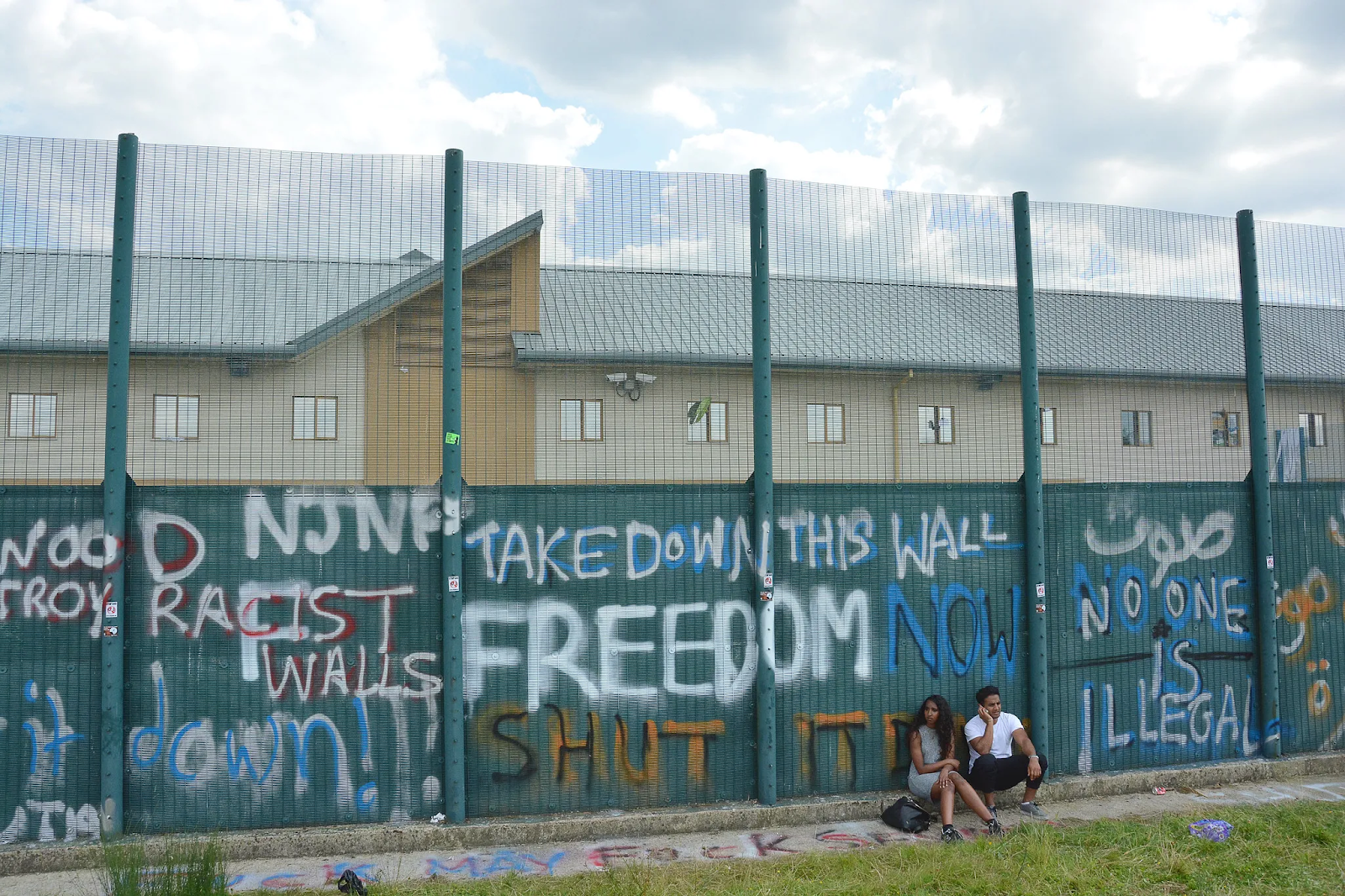
The Home Secretary, Yvette Cooper, has announced new measures to significantly increase the removal of failed asylum seekers. These measures include recruiting 100 specialist intelligence officers to the National Crime Agency to disrupt human smuggling gangs, new measures to target employers who hire illegal workers, and increasing capacity at the Campsfield and Haslar Immigration Removal Centres.
In international news
The Ukrainian Parliament (Verkhovna Rada) has passed legislation to ratify the Rome Statute of the International Criminal Court (ICC) making Ukraine a state party. The Ukrainian Foreign Minister Dmytro Kuleba has stated that the move shows Ukraine’s “unwavering commitment to strengthening international justice” and to work effectively with the ICC to “ensure comprehensive accountability for all Russian atrocities committed in the course of Russian aggression”. The ratification of the Rome Statute is also a requirement for Ukraine to join the European Union, as set out in the Association Agreement between the European Union and Ukraine. The ICC has so far issued arrest warrants for Vladimir Putin, Commissioner for Children’s Rights Maria Lvova-Belova, former Minister of Defence Sergei Shoigu, and Chief of the General Staff of the Armed Forces and First Deputy Minister of Defence Valery Gerasimov.
The UK government has lost an appeal against the decision that it cannot restrict the movement of asylum seekers who inadvertently arrived at the Diego Garcia military base. In October 2021, 47 Sri Lankan Tamil asylum seekers, including a number of children, were rescued at sea by the Royal Navy and brought to the military base which is classified as a British overseas territory. Since then they have been restricted to a small area of the island due to the “operational, security, health and safety risks” if they were granted freedom of movement. The court rejected the government’s grounds of appeal, inter alia, that the judge acted unreasonably in failing to place adequate weight on the authorities security concerns. This long-standing litigation has been followed and reported by Joshua Rozenberg KC (hon), and his commentary is available here.
The Federal Court of Australia has determined that Australian case law has consistently held that sex is “changeable and not necessarily binary”. Ms Roxanne Tickle, a trans woman, sued Giggle for Girls, a social media app for communication between women, alleging unlawful gender discrimination when she was barred from having an account on the app. The court held that the claim of indirect gender discrimination succeeds, as to gain access to the app users had to send a selfie and the reviewer determined that Ms Tickle did not have the appearance of a cisgender woman.
The Minister for Immigration and Citizenship, Seema Malhotra has announced the opening of the Afghan Citizens Resettlement Scheme Pathway 1 Stage 2: Separated Families. This is a reunification scheme for families separated during Operation Pitting. This was the operation in which vulnerable people such as the LGBT community, women’s rights activists and judges were evacuated from Kabul by the British government after the Taliban takeover of Afghanistan in August 2021. Persons resettled in the UK can submit an “expression of interest” to be reunited with a spouse or unmarried partner or their dependent children aged under 18 at the time of the evacuation. Children separated from their parents during the evacuation can apply to be reunited with their parents and siblings aged under 18 at the time of the evacuation. The Scheme is open now and the deadline to submit an “expression of interest” is 30 October 2024.
On 01 August 2024, the EU AI Act (also known as Regulation 2024/1689), the world’s first piece of legislation on artificial intelligence, entered into force. The act splits the different uses of AI into four categories each with a different level of regulation. Category one are video games and spam filters which pose minimum risk and so are not regulated. Category two are chatbots, deepfakes and other uses which present issues regarding transparency. The regulation will require developers to make sure users are aware that they are interacting with AI. Category three are high risk uses such as transport, marking exams, recruitment and granting of loans, which will be strictly regulated. Category four are unacceptable risk uses such as social scoring, predictive policing, emotional recognition and cognitive behavioural manipulation, which are banned in their entirety under the act. The bans on prohibited practices will be applied in the first six months of the Act being passed, and the other regulations will be brought in over the next two years.
The International Criminal Court has allowed individuals and states to submit amicus curiae briefs regarding its upcoming decision whether or not to issue arrest warrants for Israeli PM Benjamin Netanyahu and Israeli Minister of Defence Yoav Gallant. The UK was the first state which declared that it would provide a brief arguing against the issuing of an arrest warrant, however, the government has since announced that it will be dropping their challenge. All amicus curiae briefs regarding this matter are available here. The UN Human Rights Office has published a report regarding arbitrary and prolonged detention of Palestinians by the State of Israel. Detainees report abuse including blindfolding, deprivation of food, electric shocks, being burnt with cigarettes and sexual violence against both men and women.
The High Court has ruled that the emergency ban on the use of puberty blockers as medication for trans children through private and EU prescriptions is lawful. The campaign group TransActual and an anonymous 14-year-old trans girl now unable to access puberty blockers, sought to challenge the ban arguing, amongst other things, that the Secretary of State did not have sufficient medical evidence to institute the ban. The court held that the Secretary of State was entitled to rely on the Cass Review, which recommended a clinical trial to determine the effects of puberty blockers, and held that “this decision required a complex and multi-factored predictive assessment, involving the application of clinical judgment and the weighing of competing risks and dangers, with which the Court should be slow to interfere”. The court also dismissed arguments that the ban was introduced with an unfair failure to consult and arguments based on Article 8 ECHR. In response to the ruling the British Medical Association (BMA), the trade union and professional body for doctors and medical students in the UK, has called for a pause in the implementation of the Cass Review and questioned the “weaknesses in the methodologies used in the [Cass] Review”.
Since coming into power in the recent general election, PM Keir Starmer has announced that the Rwanda asylum scheme is “dead and buried”. The announcement was made as three claimants, known only as SM, SY and YXY, were challenging their imminent removal to Rwanda on a flight scheduled for 24 July. On 09 July, the High Court held a case management hearing in which barristers acting for the government confirmed that no removal flights to Rwanda were planned and the three individuals’ asylum claims would be processed in the UK. However, the barristers did not confirm the government’s wider position on the Rwanda policy, and the impact on asylum seekers whose claims were classified as inadmissible for processing in the UK under the Rwanda policy. The UN High Commissioner for Refugees has sent a list of recommendations to the new government. These include repealing the Illegal Migration Act 2023, resisting the “externalisation” of asylum processing to third countries, and streamlining the asylum process to tackle the backlog of asylum claims.
Despite media speculation and the urging of leading lawyers, the new government has not announced whether or not it will continue the UK government’s intervention in the International Criminal Court (ICC)’s decision regarding arrest warrants against Israeli PM Benjamin Netanyahu and Minister of Defence Yoav Gallant. The UK government seeks to argue that the ICC does not have jurisdiction over Israeli individuals because the Oslo Accords state that Palestine does not have criminal jurisdiction over Israeli individuals and so cannot delegate criminal jurisdiction over Israeli individuals to the ICC. The UK government does not recognise the State of Palestine. The ICC has given the UK government until 26 July to provide their full submissions.
In international news
Amnesty International has published a report analysing what it argues is a decline in protest rights in 21 European countries. The report argues that many European countries have been cracking down on protest rights through “the passing of repressive laws, establishment of onerous procedural obligations, imposition of arbitrary or discriminatory restrictions, racist policing and the use of unnecessary or excessive force against peaceful protestors, arbitrary interferences including the arrest, prosecution and imprisonment of protesters, as well as increasing use of invasive surveillance technology”. Amnesty International comments that those most impacted by these measures are groups already facing discrimination in society due to, among other things, race, religion or immigration status.
In the courts
The High Court has allowed University of Birmingham and University of Nottingham to evict Palestine solidarity protesters who had set up camps on university campuses. The court held that the protesters have no real prospect of establishing discrimination on the grounds of their beliefs, a breach of the public sector equality duty, a breach of section 43 Education (No.2) Act 1986 (which ensures freedom of speech in universities), or European Convention on Human Rights (ECHR) rights. The court held that there were many other ways in which the students could have chosen to protest and so the severity of the impact on their rights by removing the encampment “does not (by a significant margin) come anywhere close to outweighing the importance of the objective of the University being able to regain possession of its own land”. The court therefore gave the universities a summary possession order, which allows them to evict the protest camps without a full trial.
In W.W. v Poland, the European Court of Human Rights (ECtHR) held that the refusal to allow a transgender person to continue hormone therapy in prison amounted to a violation of her Article 8 right to a private life. Ms W.W. is a trans woman who was undergoing a gender reassignment procedure since 2019 while detained in prison. When she was transferred to a different prison in 2020, the head of the prison’s medical unit refused to allow her to continue hormone therapy without additional medical tests and failed to organise prompt appointments with specialist doctors. The ECtHR held that the freedom to define one’s gender identity is “one of the most basic essentials of self-determination” and the prison official’s requirement that Ms W.W. should undergo further consultations, after she had already started a beneficial course of treatment, was disproportionate in the circumstances. In the UK, the advocacy group TransActual is currently challenging the emergency ban on the use of puberty blockers as medication for trans children, arguing that the ban was based on the Secretary of State’s personal view rather than expert or medical evidence.
The impact of the Supreme Court’s decision in R (Finch) v Surrey County Council & Ors is already being felt. In ongoing litigation regarding the approval of a coal mine in Whitehaven, Cumbria, the Secretary of State for Housing, Communities and Local Government conceded the legal challenges. The Secretary of State admitted that an error was made as the downstream emissions caused by the inevitable burning of the extracted coal were not factored into the Environmental Impact Assessment. However, litigation may continue as the other defendant in the case, West Cumbria Mining, does not agree with the Secretary of State’s position.
Julian Assange has been released from HM Prison Belmarsh after accepting a plea deal with American prosecutors. Assange pleaded guilty to one charge of conspiracy to violate the Espionage Act, for communicating with whistleblower Chelsea Manning and receiving and publishing classified information regarding Guantanamo Bay, the Afghan and Iraq war, and US diplomatic cables. After being released from Belmarsh, he travelled to the North Mariana Islands to enter his plea, before travelling on to Australia now a free man. NGOs and media figures have voiced concerns that Assange’s guilty plea will have a chilling effect on journalists.
This week saw multiple international courts react to Russia’s invasion and occupation of Ukraine. International Criminal Court (ICC) judges have issued arrest warrants against Russian officials Sergei Kuzhugetovich Shoigu (former Minister of Defence) and Valery Vasilyevich Gerasimov (Chief of the General Staff of the Armed Forces and First Deputy Minister of Defence). The ICC judges found that there are reasonable grounds to believe that they bear individual criminal responsibility for crimes including directing attacks at civilian objectives, causing excessive incidental harm to civilians or damage to civilian objects and inhumane acts. The European Court of Human Rights (ECtHR) found that Russia is responsible for a wide variety of human rights abuses in Crimea, a Ukrainian territory annexed by Russia in 2014. The judgment deals with events that took place before the full scale invasion in 2022, and chronicles a systematic campaign of repression against Ukrainian and Crimean Tatar civil society. This includes the transfer of political prisoners to Russia and restrictions on Ukrainian language and culture. The ECtHR unanimously found breaches of articles 2, 3, 5, 6, 8, 9, 10, 11, articles 1 and 2 of Protocol 1, articles 2 of Protocol 4, and articles 14 and 18.
The Court of Appeal has held that the National Crime Agency (NCA) misdirected itself in law when deciding not to investigate whether imported cotton products from the Xinjiang Uyghur Autonomous Region (XUAR) were the product of forced labour or other human rights abuses committed by China. The Uyghurs are a Turkic Muslim minority subject to intense repression in China, which some argue amounts to a genocide(this is disputed by the UK government). The court recognised that there is a consensus regarding widespread exploitation and abuse within China’s cotton production and that 85% of Chinese cotton comes from XUAR. The court held that the NCA was wrong to state that it could not start an investigation unless a specific consignment of cotton produced through human rights abuses was identified. Furthermore, the NCA was wrong to state that providing “adequate consideration” for goods could prevent goods imported into the UK from constituting criminal property.
The US Supreme Court has struck down the Chevron v Natural Resources Defense Council, one of the most influential precedents in US administrative law. The “Chevron doctrine” was a rule of statutory interpretation; it stated that where Congress did not directly address the meaning of a statute, a court was required to defer to the administrative agencies’ interpretation as long as it was reasonable. In the leading judgment, Judge Roberts stated that it is the role of the courts to “decide legal questions by applying their own judgment” and “it thus remains the responsibility of the court to decide whether the law means what the agency says”. Therefore, this case represents a big shift in the balance of power from the executive to the judiciary.
A group of UN experts has expressed concern regarding deception and exploitation faced by migrants coming to work in the UK. The Seasonal Worker Scheme, put in place to cover labour shortages in the UK, has been criticised for creating conditions where deception, exorbitant recruitment fees, debt bondage, undignified living conditions and potential deportation are widespread. This is due to some recruitment agencies charging illegal recruitment fees, sometimes thousands of pounds, so migrants are frequently in debt even before they arrive in the UK. Once in the UK, they may find that there is no work for them, fewer hours than promised, or they may be forced to work in exploitative conditions. As the migrants’ visas do not allow them to change employers within the UK, many remain working under such conditions due to the threat of being removed from the UK. The Bureau of Investigative Journalism has published recent investigations on the hostile and humiliating working conditions faced by agricultural labourers and care workers, arguing that in some cases their treatment amounts to modern slavery.
In international news
President Biden has imposed strict new measures allowing officials at the Southern Border of the USA to turn away asylum-seekers. The Presidential proclamation states that when border crossings exceed the threshold specified by the President (currently 2,500), asylum seekers who cross the border without permission will be barred from applying for asylum until border crossings drop below a seven-day average of 1,500. The American Civil Liberties Union (ACLU) has announced that they are launching a legal challenge against the new measures.
Ambassador Ammar Hijazi, representing Palestine, has sought to intervene in the case between South Africa and Israel at the International Court of Justice (ICJ). He argues that Palestine has the right to intervene under Article 62 of the Statute of the ICJ, which provides that a state may apply to intervene in a matter if it considers that it has a legal interest in the case. He also argues that the Palestinians whom he represents are permitted to intervene under Article 63, which provides that every state notified of a pending convention concerning them is permitted to intervene in proceedings. The United Kingdom does not recognise Palestine as a state.
The US House of Representatives has passed a Republican bill, with support from some Democrats, sanctioning the International Criminal Court (ICC), after ICC Prosecutor Karim Khan KC applied for arrest warrants for, among others, Israeli officials PM Benjamin Netanyahu and Yoav Gallant. The Illegitimate Court Counteraction Act sanctions any foreign individual who directly or indirectly aids the International Criminal Court in investigating, arresting, detaining or prosecuting “protected persons”, that is US officials or the officials of US allies, in particular Israel. The sanctions laid out in the bill are property blocking (i.e. blocking and prohibiting all transactions in all property and interests in property), imposing inadmissibility for visas to the USA and revoking current visas to the USA.
In the courts
The High Court has held that the Home Secretary acted unlawfully in failing to provide immigrants with documentary proof that they are legally in the UK under “section 3C leave”. Section 3C of the Immigration Act 1971 provides that where an immigrant with leave to remain in the UK makes an immigration application before the expiry of their leave, they may lawfully remain in the UK until the Home Office finishes processing their application. Processing for some immigration applications can take months or even up to a year. During this time immigrants lawfully in the UK can have difficulty accessing employment, housing or medical care due to the “compliant environment” policies. The High Court held that the Home Secretary’s failure to provide digital evidence of section 3C leave was irrational: “The underlying purpose of the legislative framework is that there should be a hostile and unwelcoming environment for those who are unlawfully present and so who are undocumented. The corollary of this is that those who are lawfully here should not face the hostile environment. That can only happen if they are documented”. The court also held that the Home Secretary breached his duties to promote the welfare and best interests of children impacted by section 3C leave.
The High Court has reiterated once again that duties under the Children Act 2004 apply to all children in the UK, no matter their immigration status, and Kent County Council cannot derogate from these duties with regard to unaccompanied asylum seeking children. Kent County Council is struggling to accommodate the many unaccompanied children arriving in the UK after travelling across the English Channel. Until last year the unaccompanied children were accommodated in hotels, until the High Court found that this practice was unlawful. Kent County Council issued what it called “section 11 notices” stating that it cannot safely accommodate the children. The court held that there was no statutory basis for using section 11 of the Children Act 2004 to “attenuate” duties to accommodate children under the act; instead section 11 “imposes an obligation to make arrangements for ensuring that Kent CC’s functions are discharged having regard to the need to safeguard and promote the welfare of children”.
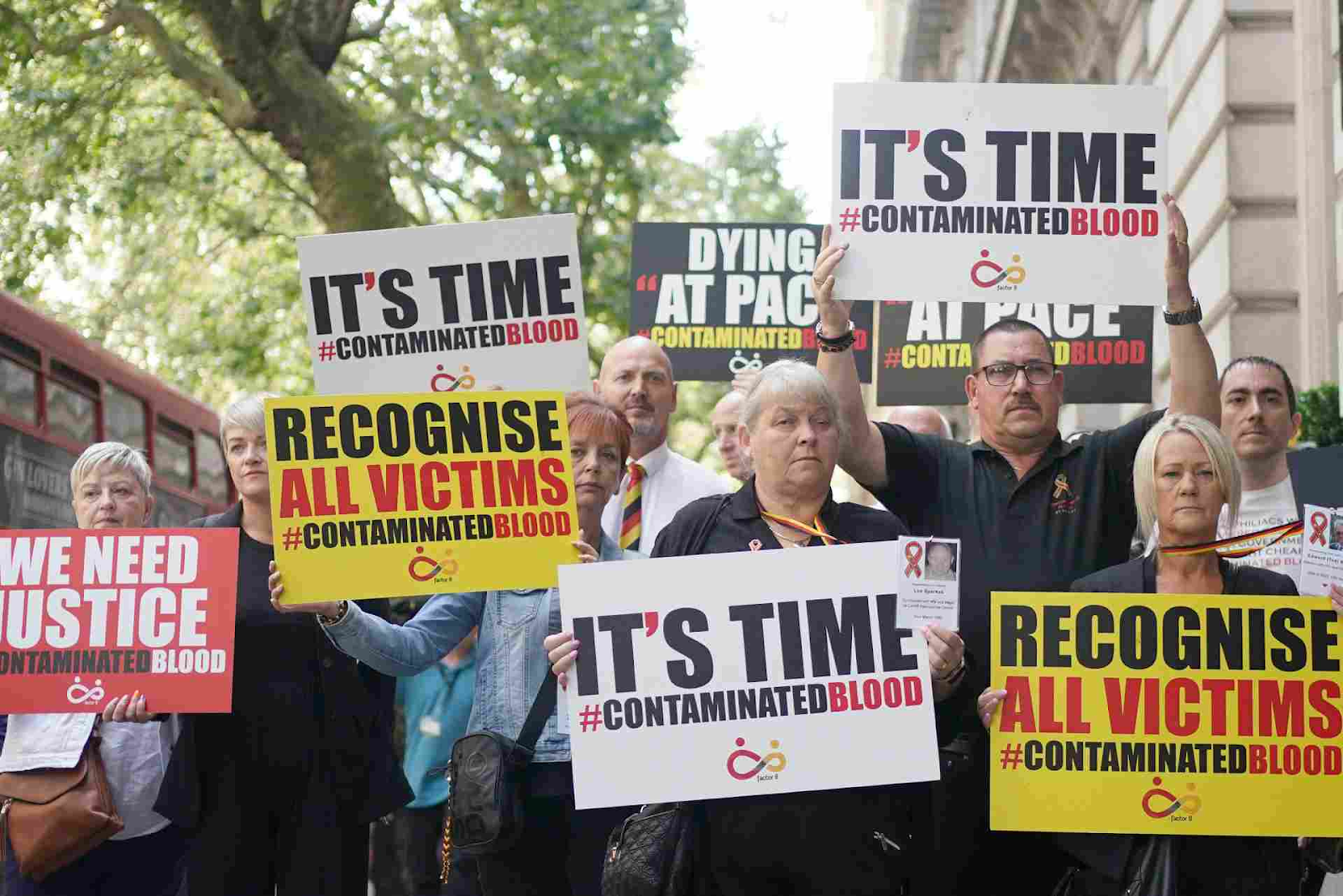
On 20 May, the Infected Blood Inquiry, chaired by Sir Brian Langstaff, published its final report. The inquiry was set up to investigate the circumstances in which people treated by the NHS were given infected blood and blood products, in particular since 1970. The inquiry found that more than 3,000 deaths of NHS patients are attributable to infected blood, blood products and tissue. The report details the many failures which lead to this situation, such as flaws in the licensing regime which allowed for the import of high risk blood products, failing to ensure sufficiently careful donor selection, and treating children at Treloar School (a school for disabled children) with risky commercial blood products for research. The report is strongly critical of the lack of candour shown by the NHS and successive governments. Patients were told they were receiving “the best treatment available” and some documents were deliberately destroyed. The report makes many recommendations to memorialise what happened to the people affected and to ensure lessons are learnt, yet the “principal recommendation” is that “a compensation scheme should be set up now”.
The Post Office (Horizon System) Offences Act received the Royal Assent this week. This is the final stage of the legislative process after the Bill was examined by the House of Lords. The Bill will quash the convictions of hundreds of postmasters and others in England, Wales and Northern Ireland who were charged with fraud, theft and other offences due to the faulty Post Office Horizon IT system. The “Post Office scandal” is also the subject of an inquiry led by Sir Wyn Williams. Paula Vennells, the former CEO of the Post Office Ltd, gave evidence to the inquiry this week. Recordings of the inquiry hearings are available here.
International Criminal Court (ICC) Prosecutor Karim Khan KC made an application for arrest warrants for Yahya Sinwar (Head of the Islamic Resistance Movement “Hamas” in the Gaza strip), Mohammed Diab Ibrahim Al-Masri (Commander-in-Chief of the military wing of Hamas), Ismail Haniyeh (Head of the Hamas Political Bureau), Benjamin Netanyahu (Prime Minister of Israel), and Yoav Gallant (Minister of Defence of Israel). Khan KC submits that the Hamas officials bear criminal responsibility for war crimes and crimes against humanity including extermination, murder, hostage taking, rape and other acts of sexual violence, and torture. He submits that the Israeli officials bear criminal responsibility for war crimes and crimes against humanity including starvation of civilians as a method of warfare, wilful killing or murder, and intentionally directing attacks against a civilian population. Khan KC also published a report by international law experts arguing, amongst other things, that the ICC has jurisdiction over the alleged war crimes in Israel/Palestine. The International Court of Justice (ICJ) has reaffirmed its previous measures and published further provisional measures in relation to South Africa’s case against Israel. One of the most significant measures requires Israel to “immediately halt its military offensive, and any other action in the Rafah Governorate, which may inflict on the Palestinian group in Gaza conditions of life that could bring about its destruction in whole or in part”.
A French court found three Syrian officials guilty of crimes against humanity and sentenced to life imprisonment in absentia. The three men are Ali Mamlouk (former Head of the National Security Bureau), Jamil Hassan (Head of the Air Force Intelligence Directorate) and Abdel Salam Mahmoud (former director of the directorate’s investigations branch). The Syrian officials were charged with complicity in the arrest, torture and deaths of Patrick Dabbagh and Mazzen Dabbagh, both of whom had dual French-Syrian nationality. This case is the first time officials working for the regime led by Bashar al-Assad have been tried and convicted in France.
In the courts
The High Court held that protest regulations, that gave the police the power to intervene in protest where they caused “more than minor” disruption, were ultra vires (i.e. beyond the legal power of the Secretary of State). The regulations were ultra vires because the primary legislation gave the police the power to intervene where there was “serious” disruption. The Secretary of State used a Henry VIII power (i.e. a delegated power which allows them to amend primary legislation using secondary legislation) to define “serious” as “more than minor”. The court held that this was ultra vires because “as a matter of ordinary and natural language ‘more than minor’ is not within the scope of the word ‘serious’”. The regulations were also unlawful because they were introduced after an procedurally unfair and one-sided consultation procedure, in which the Secretary of State consulted law enforcement agencies but failed to consult with the public or any body or organisation who may have opposed the proposed regulations.
Julian Assange has been given permission to appeal his extradition to the USA to face trial for conspiracy to obtain and disclose national defence information, after the US government failed to provide diplomatic assurances requested by the High Court. The court’s ex tempore judgment was reported on by Joshua Rozenberg KC (hon) here.
This week Israel began military operations in Rafah, a town at the south of the Gaza strip where 1.4 million displaced Palestinians are sheltering. Israeli PM Benjamin Netanyahu stated that the military offence was necessary to secure the return of Israeli hostages and eliminate Hamas: “military pressure on Hamas is an essential condition for the return of our hostages”. The announcement was met with a mixed response from the US, a key Israeli ally. At the beginning of the week Lloyd Austin, the US defence secretary, stated that the Biden administration paused the supply of weapons to Israel. Later in the week the US state department released a declassified report (available here), which stated that Israel is likely to have violated international law but confirmed that the supply of weapons would continue. South Africa is once again seeking provisional measures from the International Court of Justice, arguing that the Rafah offensive “gives rise to new facts that are causing irreparable harm to the rights of the Palestinian people in Gaza”. In a separate development, the UN General Assembly voted to enhance the status of the Palestinian delegation within the UN, and to urge the Security Council to give “favourable consideration” to full Palestinian membership.
Human Rights Watch has published a report about the conflict in Sudan, alleging that the Rapid Support Forces (RSF) and related militias are carrying out ethnic cleansing in West Darfur. The report details the RSF’s attacks in El Geneina, the capital of West Dafur between April and November 2023. Human Rights Watch alleges that the attacks constituted a campaign of ethnic cleansing against the Massalit and other non-Arab populations in the area, and included serious abuses including torture, rape and looting. The report cites a UN panel of experts which estimated that approximately 10,000 to 15,000 people were killed in El Geneina in 2023. A UNHCR explainer about the origins of the conflict is available here.
The Ministry of Justice has introduced a pilot scheme providing free counselling and 24/7 support for jurors following difficult cases. The pilot will run for ten months in 15 courts; jurors will be provided six free counselling sessions alongside a 24/7 telephone helpline with support advice and information. The current jury trial rules which allow for majority verdicts have come under scrutiny this week as research by Appeal, the miscarriage of justice charity, has shown that at least 56 miscarriages of justice in England and Wales occurred where the jury was split. The charity has published a report calling for a requirement of jury unanimity for criminal convictions and a repeal of s.8 of the Contempt of Court Act 1981, which guarantees the confidentiality of jury deliberations, so that the fairness of jury trials can be more closely studied.
The government has accepted a proposal put forward by Lord Reed, President of the UK Supreme Court and the Judicial Committee of the Privy Council (JCPC) to enable overseas judges to sit on the JCPC. Lord Reed commented that the change would “enhance the quality of the Privy Council’s decision-making” by providing “the benefit of the opinion of a judge with direct experience of local conditions”.
Exemption for allies of the UK overseas, such as Afghan service veterans
Ensuring that Rwanda is only considered a safe country when the arrangements provided for in the Rwanda Treaty are fully implemented and adhered to in practice.
The Bill is going back to the House of Commons this week and may soon come into law despite the disputes between the Commons and the Lords.
In international news
The US Supreme Court has announced that it will not hear the case of Mckesson v Doe. This was an appeal against a lower court decision which held that a protest organiser could be held liable in tort and face steep financial consequences if a single participant at a mass protest commits an illegal act. The case arises out of a Baton Rouge protest following a police shooting. DeRay Mckesson, one of the organisers of the protest, was sued by a police officer, identified only as John Doe, who was seriously injured when a participant in the protest threw a rock at him. The Supreme Court’s decision not to hear the case means that the lower court’s decision remains good law in Louisiana, Mississippi and Texas, and has been criticised for having a stifling effect on protest rights.
In the courts
The High Court held that Michaela Community Schools Trust’s decision to ban ritual prayer practices was lawful. The challenge was brought by a Muslim student at the school who wished to be permitted to pray for five minutes during the lunchtime break. The court rejected arguments that the ban was a breach of Article 9 of the European Convention on Human Rights (freedom of thought, conscience, and religion) and indirect religious discrimination against the school’s Muslim students. The High Court held that there was no interference with the claimant’s Article 9 rights as the claimant impliedly consented when she enrolled at the school, which is a secular school, that she would be subject to restrictions on her ability to manifest her religion and she would be able to “make up” for missed prayers when she got home (Qada prayers). Alternatively, the prayer ban was a proportionate means of promoting social cohesion at the school and preventing students from being pressured into participating in the prayers.
This week multiple UN institutions responded to the deteriorating humanitarian conditions in Gaza. The UN Security Council passed a resolution, with the USA abstaining, demanding “an immediate ceasefire for the month of Ramadan…leading to a lasting sustainable ceasefire” and the release of all Israeli hostages taken by Hamas during the 07 October attack. The UN Special Rapporteur on the situation of human rights in the occupied Palestinian Territory has released a report critical of Israel’s military operation in Gaza, which argues that “there are reasonable grounds to believe that the threshold indicating Israel’s commission of genocide is met”.
Meanwhile, South Africa’s case against Israel at the International Court of Justice (ICJ) continues. The ICJ has imposed further provisional measures in response to the “famine setting in”. The ICJ’s order requires Israel to cooperate with the UN to ensure “the unhindered provision at scale” of humanitarian assistance including food, water, medical supplies etc. Micheál Martin TD, the Minister for Foreign Affairs and Minister for Defence for the Republic of Ireland, has announced that Ireland will intervene in South Africa’s case at the ICJ.
This week the US Supreme Court heard what may be the most significant case regarding reproductive rights since Dobbs v Jackson Women’s Health Organisation, which overturned Roe v Wade. The case is about whether the abortion medication Mifepristone was correctly approved by the Food and Drug Administration. It was brought by several individual doctors and doctors’ groups opposed to abortion. The arguments this week focused on whether these individuals and groups had standing to sue, i.e. that they have a close enough connection to the issue to bring the case.
Requiring the bill to maintain full compliance with domestic and international law
Ensuring that Rwanda is only considered a safe county “when and as long as” arrangements provided for in the Rwanda Treaty are fully implemented and adhered to in practice (for example ensuring that asylum seekers are not sent back to the countries from which they fled).
Allowing decision-makers, such as immigration officers, courts and tribunals to consider whether or not Rwanda is a safe country and to grant interim relief.
Protecting victims of modern slavery from being removed to Rwanda without their consent.
Parliamentarians in France have voted to amend the country’s constitution to include a “guaranteed freedom” of abortion. The measure passed in an overwhelming 780-72 vote. The change was prompted by Dobbs v Jackson’s Women’s Health Organisation, a case in which the US Supreme Court overturned Roe v Wade and so ended the right to abortion for millions of women in the USA.
The people of the Republic of Ireland have rejected proposals to “modernise” the country’s constitution. The country held a referendum to amend Article 41 of the Constitution. Article 41 provides that “mothers shall not be obliged by economic necessity to engage in labour to the neglect of their duties in the home” and that the state shall “guard with special care the institution of Marriage, on which the Family is founded”. The proposed changes would have substituted marriage with “durable relationships” and would have replaced the clause relating to mothers’ duties in the home with a clause recognising care provided by family members by “reason of the bonds that exist among them”.
An UN report by the Office of the Special Representative of the Secretary-General on Sexual Violence in Conflict has found that there are reasonable grounds to believe that conflict-related sexual violence occurred during the 07 October attacks in Israel including rape and gang rape. A separate internal UN report has described widespread abuse of Palestinian detainees including physical and sexual violence. As the humanitarian conditions in Gaza rapidly deteriorate, countries that previously withdrew UNRWA funding, due to allegations that employees of the agency participated in the 07 October attacks, have announced that they are resuming funding. This includes the EU Commission, Sweden and Canada. In his State of the Union address President Biden has put forward a plan to build a “temporary pier” on Gaza’s coastline to distribute aid.
In the courts
The US Supreme Court has unanimously held that Colorado cannot remove Donald Trump from the ballot of the presidential elections. The Colorado Supreme Court had held that Trump was ineligible to appear on the ballot, under Section 3 of the 14th Amendment to the Constitution which disqualifies anyone “engaged in insurrection or rebellion” against the federal government. Section 3 was originally enacted after the US Civil War to prevent supporters of the Confederacy from taking public office. The US Supreme Court held that only Congress, rather than individual states, can enforce Section 3. A particular consideration was the potential for “chaos” if different candidates were eligible in various states.
This blog is maintained for information purposes only. It is not intended to be a source of legal advice and must not be relied upon as such. Blog posts reflect the views and opinions of their individual authors, not of chambers as a whole.
Our privacy policy can be found on our ‘subscribe’ page or by clicking here.












Recent comments