We use cookies to enhance your browsing experience. If you continue to use our website we will take this to mean that you agree to our use of cookies. If you want to find out more, please view our cookie policy. Accept and Hide [x]
The Attorney General, Lord Hermer KC, has said that Axel Rudabakana’s sentence will not be referred to the Court of Appeal for undue lenience. Rudabakana was given a minimum 52-year sentence for murdering three girls in a dance class in July 2024. He would have received a full life order, said the trial judge, had he been an adult at the time of the crime (Rudabakana was 17). As it stands, his sentence is the “second longest…imposed by the courts in English history,” according to Lord Hermer.
The Lady Chief Justice, Baroness Carr, criticised the Prime Minister for comments made about a ruling. Questioned about a legal loophole which allowed a Gazan family to use the Ukraine Scheme, Sir Keir Starmer called the decision “completely wrong.” Baroness Carr said she was “deeply troubled” by the comments. Emphasising the separation of powers, she pointed out that the right route for challenging judicial decisions was through the appellate process and that “it is for the government visibly to respect and protect the independence of the judiciary.”
The UK’s use of predictive policing is “automated racism,” according to a report from Amnesty International. Amnesty found that the use of predictive, profiling and risk assessment systems results in racial profiling and the disproportionate targeting of black people and those from lower socioeconomic backgrounds. The charity said this was contrary to the UK’s obligations under human rights law including the Equality Act 2010, the European Convention on Human Rights.
In the Courts
The President of the Family Division has rebuked two women for an ‘astonishing’ surrogacy which risked leaving their children stateless. In Re Z (Unlawful Foreign Surrogacy: Adoption) [2025] EWHC 339 (Fam), Sir Andrew McFarlane heard that the parents had paid £120,000 to a clinic in the Turkish Republic of Northern Cyprus for two children. The children were carried by Ukrainian surrogate mothers and born on the same day “at the direction of the clinic.” One of the adoptive mothers then signed a form wrongly registering her as the mother of both the children. Subsequently, it became clear that: the location of birth did not afford the children Cypriot citizenship; having Ukrainian mothers did not afford them Ukrainian citizenship; and they had no legal connection to either of the adoptive mothers that would be recognised in the UK (the birth certificates having been issued on an incorrect basis). The children were eventually allowed to enter the UK through an application under the European Convention of Human Rights, article 8. Sir Andrew subsequently granted adoption orders for the children.
The judgment, published several months after the adoption orders were granted, was handed down “in order to draw attention… to the circumstances of the case…and to offer some advice for those who may, in future, unwisely seek to follow the path taken by the two applicants.”
Medical experts have claimed that Lucy Letby did not murder any babies at the Countess of Chester Hospital, concluding that the infants died of natural causes and negligent medical care. Having reviewed the medical evidence, a panel of 14 world-leading neonatologists have concluded that they “did not find any murders”. The case has been submitted to the Criminal Cases Review Commission in light of what Letby’s legal team described as overwhelming evidence of a miscarriage of justice. Letby is currently serving 15 whole-life prison terms having been convicted of murdering seven babies. Two previous attempts to challenge her convictions at the Court of Appeal have been dismissed. The CCRC is expected to review the panel’s full report in the coming weeks. If it is decided that there is a real chance of quashing the convictions, the CCRC can send the case back to the Court of Appeal.
Master of the Rolls, Sir Geoffrey Vos,has urged lawyers and judges to embrace generative artificial intelligence at the LawtechUK Generative AI event for three reasons. First, the industrial, financial and consumer sectors, which lawyers serve, will be using it “at every level”. Second, lawyers are going to be “at the forefront of AI liability disputes” in the coming years with regard to the negligent or inappropriate use of AI, and if lawyers do not master the capabilities and weaknesses of AI they will not be able to advise clients properly. Finally, it will save time and money and engender greater efficiency. Vos expressed irritation towards those who use “silly examples of bad practice as a reason to shun the entirety of a new technology” and stressed that there is nothing “inherently problematic with AI”. Rather, it is a question of understanding what AI is doing and using it appropriately. Ultimately, for Vos, it is “uncontroversial” that lawyers should be using AI to “promote and improve access to justice and the quality of decision-making”.
In International News
China has unveiled tariffs on the United States in response to the 10% levies that President Trump recently imposed on China. China has justified its retaliatory tariffs by arguing the United States’ levies violated WTO rules, damaging economic and trade cooperation between the two countries. Trump contended that the imposition of Chinese tariffs is a response to trade deficits, and the flow of fentanyl into the US. Whilst Trump postponed the 25% levies imposed on Canada and Mexico for one month, no such postponement measures were enacted in the case of China. The levies have caused significant volatility in the global financial markets. Trump has suggested that he would pursue similar action against the EU but that a deal could be “worked out” with the UK. The UK now needs to decide if it aligns itself with the EU or the US, or neither. If the UK aligns itself more closely on trade with the EU, this will likely entail accepting the EU’s regulations on agriculture and food safety. However, the United States’ standards in such areas differ significantly from those of the EU. If the UK were to adopt EU agricultural standards, this may make a UK-US trade deal much harder given that the US would likely not want an agreement that excludes agriculture. This is at the same as the EU are wrangling with the UK over a closer relationship going forward. Key issues pertain to the youth mobility scheme (a priority for Germany) and an extension to current fishing rights arrangements (a priority for France). In the next few weeks, we may get clarity as to how the UK chooses to position itself between major global trading blocs.
In the Courts
The Court of Appeal has allowed an appeal over whether a local authority which has ‘corporate’ parental responsibility for a child under the age of 16 can consent to the deprivation of their liberty. The case concerns a 14 year old disabled boy known as ‘J’ who is ‘looked after’ under S.20 of the Children Act 1989 and who resides in a specialist children’s home. In J: Local Authority consent to Deprivation of Liberty, Re [2024] EWHC 1690 (Fam), Lieven J held that a local authority could deprive J of his liberty and did not need the court’s approval to do so. This was because the decision the local authority was being asked to make under S.33(3)(b) of the Children Act 1989 was not of “such magnitude” that the Court would need to make it instead. For Lieven J, depriving J of his liberty was “essential to ensuring his best interests” so necessarily fell “within the LA’s statutory powers” under S.33 of the Children Act [34]. All parties in the case felt that the local authority should not deprive J of his liberty without the court’s approval. The interveners (Article 39 and Mind, the Secretary of State for Education and the Children’s Commissioner) also supported court oversight. With a panel comprising the President of the Family Division, Sir Andrew McFarlane, Lady Justice and Lord Justice Singh, the Court of Appeal confirmed the appeal was successful and made a deprivation of liberty order, with full reasons due to be provided at a later date. Consequently, Lieven J’s ruling should not now be followed.
The UK Government introduced its Border Security, Asylum and Immigration Bill to Parliament on 30 January. The Law Society welcomed the Bill’s repeal of the controversial Safety of Rwanda (Asylum and Immigration) Act 2024 – described by Society president Richard Atkinson as ‘one of the most damaging pieces of legislation in recent history’ – and certain provisions of the Illegal Migration Act 2023. However, a number of charities have expressed concern that the Bill’s proposed anti-people-smuggling measures – including the creation of what Home Secretary Yvette Cooper calls ‘counter-terror-style powers’ – will adversely affect legitimate asylum seekers. ‘We are very concerned that by creating new offences, many refugees themselves could also be prosecuted’, wrote the Refugee Council. ‘This would be a gross miscarriage of justice… The most effective way to break the smuggling gangs’ grip is to stop refugees from getting into the boats in the first place, which means giving them a legal way to apply for asylum in the UK.’
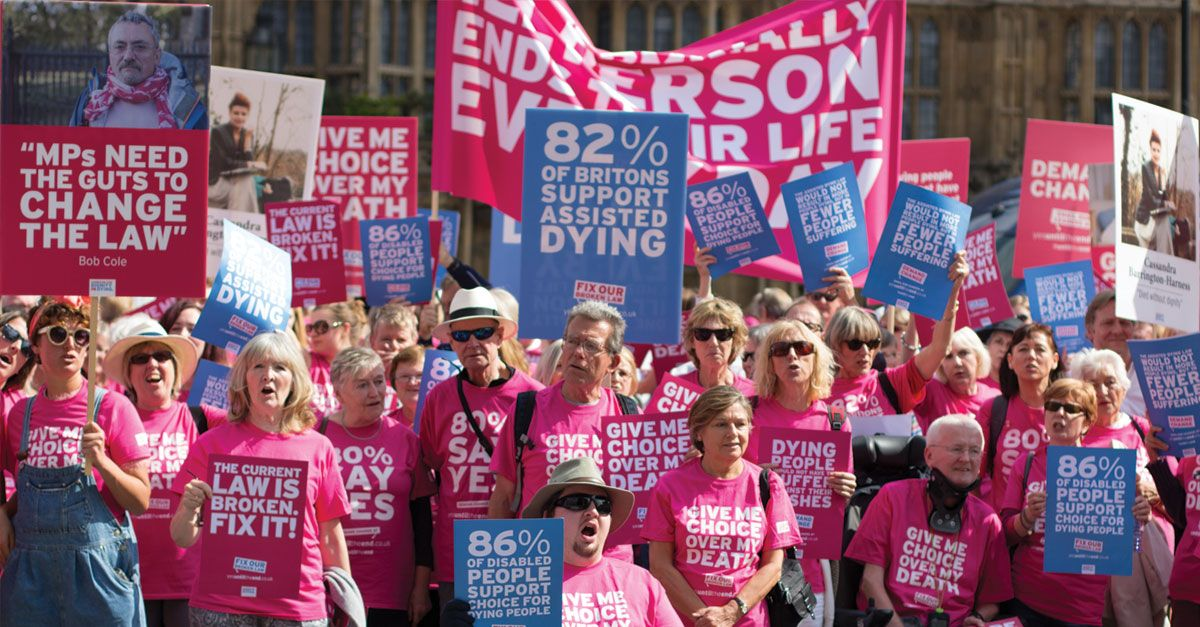
This week also saw the Terminally Ill Adults (End of Life) Bill undergo the scrutiny of the Commons General Committee. Lord Sumption, former Justice of the Supreme Court, told the Committee that the Bill’s requirement that those applying for assisted dying would need the approval of a High Court judge as well as two doctors was ‘unnecessary and in some respects undesirable… It is not entirely clear what the judge is supposed to do … Is he there to ensure that the two doctors have done their job… or is he there to form his own view on these matters, completely independently of all those who have given certificates? If the latter, one is talking about quite a time-consuming process, involving a lot of additional evidence. It seems to me this is a protection which no other country, so far that I am aware of among those who have authorised assisted dying, have included.’ The Committee sits again on 11 February.
In international news
Italian Prime Minister Giorgia Meloni is under investigation by her country’s prosecutors for releasing and repatriating Osama al-Masri, a Libyan warlord wanted by the International Criminal Court. The Court issued its arrest warrant for Al-Masri on 18 January, citing his alleged command over a network of prisons in Tripoli, and ‘crimes against humanity and war crimes, including murder, torture, rape and sexual violence, allegedly committed in Libya from February 2015 onwards.’ Al-Masri was arrested by the Italian authorities at a football game in Turin only a day after the warrant’s issue, before his release on 21 January ‘without prior notice or consultation of the Court.’ Meloni’s Interior Minister Matteo Piantedosi, who is now also under investigation, had told the Italian Senate that al-Masri’s deportation was ‘for urgent security reasons, with my expulsion order, in view of the danger posed by the subject.’ It has since been claimed that al-Masri was released on a technicality, following bureaucratic errors made in the course of the suspect’s arrest. These are said to have compelled the Italian court of appeal to refuse to validate his further detention. Al-Masri was then boarded onto a military plane and safely returned to Libya.
In the courts
The Court of Appeal has allowed an appeal brought by two freelance journalists, permitting the disclosure of the names of two family court judges behind historic care proceedings relating to the murdered schoolgirl Sara Sharif. In Louise Tickle & Anor v The BBC & Ors [2025] EWCA Civ 42, Sir Geoffrey Vos MR ruled that Mr Justice Williams had ‘no jurisdiction’ to make a Reporting Restrictions Order anonymising the judges in December last year – save a possible obligation to do so under section 6(1) of the Human Rights Act (HRA) 1998, had it been necessary to avoid an infringement of the European Convention of Human Rights (ECHR).
Sir Geoffrey found that there was ‘no evidential basis’ on which to believe that the threshold for the application of ECHR Articles 2 (right to life), 3 (freedom from torture and inhuman or degrading treatment) or 8 (respect for family and private life) was reached. ‘For the avoidance of doubt, I am not saying that judges are obliged to tolerate any form of abuse or threats… Nor am I saying that it would never be possible for section 6 of the HRA to allow, or even require, a court to consider… an anonymisation order in relation to judges. In my judgment, however, it is very hard to imagine how such a situation could occur.’ It would require: (1) ‘compelling evidence… as to the risks’; (2) the court to be ‘satisfied that those risks could not be adequately addressed by other security measures’; and (3) the court ‘to conclude that the risks were so grave that, exceptionally, they provided a justification for overriding the fundamental principle of open justice.’
A heated debate has arisen across the UK and abroad after Safeguarding Minister Jess Phillips last week rejected calls for a public inquiry into child grooming gangs in Oldham. In a letter sent to Oldham Council in response to its request for a public inquiry, Phillips stated it was for “Oldham Council alone to decide whether to commission an inquiry into child sexual exploitation locally, rather than for the Government to intervene”. The decision has led to widespread criticism, with Shadow Justice Secretary Robert Jenrick calling it “shameful” and Elon Musk arguing that Phillips “deserves to be in prison”. Reform UK leader, Nigel Farage, has defended Musk’s involvement as an exercise in “free speech”. Professor Alexis Jay, former Chair of the Independent Inquiry into Child Sexual Abuse (IICSA), has suggested that it is change that is needed rather than a fresh inquiry. A statement published on Sunday by campaign group Act on IICSA warned against the politicisation of sexual violence, which only “hinders the implementation of vital and urgent overhaul” to existing systems. In a press conference on Monday, Sir Keir Starmer defended Jess Phillips and his own record as Director of Public Prosecutions, accusing critics of “spreading lies and misinformation” and of being interested in themselves rather than the victims.
Former President of the Supreme Court, Lord Neuberger, has warned that legal aid cuts in family cases are denying parents their human rights, stating that the cuts are “wrong in principle”. Following legislative changes in 2013, parents in private children’s law cases are unable to access legal aid – irrespective of their means – unless abuse is alleged. In an exclusive interview with the Guardian, Neuberger called it “almost disgraceful” that parents are given human rights and then denied the ability to enforce them as a result of the lack of legal aid. “Rights aren’t meaningful unless they can be enforced”, he added. A Ministry of Justice spokesperson responded to Neuberger’s position by emphasising the importance of families getting the “best outcomes as quickly as possible”, pointing to the mediation scheme available for family disputes which is partially Government funded.
In Other News
The latest report published by HRMMU, the UN team investigating human rights in Ukraine, details the deteriorating situation in the region with a surge in monthly civilian casualties and allegations of executions of Ukrainian Servicepersons. Evidence continues to suggest that individuals being held as Prisoners of War (POWs) are suffering torture and ill-treatment, including sexual violence. While the report acknowledges mistreatment of Russian POWs, these instances are said to appear more “isolated” than that of Ukrainians. As the war rages on nearly three years after the Russian invasion, the report calls for both countries to “intensify” their efforts to uphold international human rights law. The report was published just days before Ukraine launched a renewed offensive in Russia’s Kursk region on Sunday, leaving Russian civilians “shaken”.
Ireland’s landmark hate crime law – the Criminal Justice (Hate Offences) Act 2024 – came into force last week, marking a historic moment in Irish law regarding the treatment of hate-motivated offences. The new law prescribes increased prison sentences where hatred predicated upon real or perceived protected identity characteristics either motivates a crime or is demonstrated during it. Ireland Justice Minister Helen McEntee said last Tuesday that the “legislation meets a clear gap in [Irish] laws and is widely supported by the public”, bringing Ireland out of the small group of EU countries that continue not to have specific hate crime offences set out in law. The bill had originally also contained provisions tightening the laws around hate speech, but this section was dropped in October after McEntee revealed there was no longer a “consensus” on its inclusion. The law around hate speech in Ireland is governed by the Prohibition of Incitement to Hatred Act 1989, which remains in force.
Activists are celebrating the inclusion of measures in the 2025 National Defence Authorisation Act (the annual US defence spending bill) to address the oppression of the Uyghur Muslim population in China’s Xinjiang region, which the US has labelled genocide. The bill was signed into law by President Joe Biden shortly before Christmas and incorporates the bipartisan Uyghur Human Rights Policy Reauthorisation Act 2024 which extended the Uyghur Human Rights Policy Act passed under Trump in 2020. The Act greenlights sanctions against Chinese officials believed to be involved in Uyghur oppression. The renewal of these sanctions has been welcomed by the Uyghur Human Rights Project, with UHRP Executive Director Omer Kanat calling it “a gift of hope for Uyghurs”. The move represents the latest show of continued support for the Uyghur population by the United States.
In the Courts
On Sunday, the Criminal Division of the Seoul Western District Court rejected objections made by Yoon Suk Yeol, suspended President of South Korea, against the execution of arrest and search warrants against him. Yoon has been suspended as President pending impeachment proceedings following a failed attempt in December to impose martial law. Anti-corruption investigators issued the arrest warrant for Yoon and a search warrant for the Presidential residence after the suspended President ignored multiple summons for questioning. Yoon’s legal team filed an objection to the warrants in the courts last Thursday, arguing that they were illegal on the basis that the investigators did not have jurisdiction to issue them, and that, in any case, a criminal law prohibiting the execution of warrants in military areas should apply in his case. It has not yet been revealed on what grounds the court has rejected his arguments, and it is expected that a re-appeal may be lodged with the Supreme Court once this is clear. In the meantime, the Presidential Security Team are taking measures to block Yoon’s arrest, installing barbed wire and barricading the compound where he is residing. The arrest warrant expired at midnight on Monday January 6th with Yoon successful in defying arrest, although investigators are seeking an extension of the warrant’s deadline.
Health Secretary Wes Streeting revealed last week that the Government has placed an indefinite ban on the use of puberty blockers for trans youth, following advice from the Commission on Human Medicines that the medicines pose an ‘unacceptable safety risk’. The ban also follows the recommendations of the recent Cass Review, which was heavily criticised by rights groups. Speaking to the Commons on Wednesday, Streeting stressed that he was ‘determined’ to improve healthcare for trans youth. However, the ban has come under fire from a wide range of rights groups, educational psychologists, clinicians, and members of the British Medical Association. This news comes the same week that the Montana Supreme Court temporarily lifted the state’s ban on puberty blockers while its lawfulness is considered in the courts.
The Government announced last week that £75 million has been made available to compensate LGBT veterans who were affected by the historic ban on LGBT personnel in the Armed Forces. Veterans who were dismissed or discharged as a result of their LGBT identity, real or perceived, will also be able to apply to have their rank restored or discharge reason amended. The announcement represents a major step in the implementation of the recommendations made by the Etherton Review, which looked into the ill treatment of LGBT veterans in the past. Secretary for Defence, John Healey, has called the historic treatment of LGBT veterans a ‘moral stain on our nation’ and expressed his commitment to ‘righting the wrongs of the past’.
A report published by the Women and Equalities Committee this week has found that ‘medical misogyny’ is contributing to the underdiagnosis of serious reproductive health conditions, with women having their painful symptoms ‘normalised’ and ‘dismissed’. The report is critical of the speed of progress following the establishment of the Women’s Health Strategy in 2022, stating that implementation has been slow and incomplete. Chair of the Women and Equalities Committee, Sarah Owen, stated that women are “waiting years for life-changing treatment and in too many cases are being put through trauma-inducing procedures”. “All the while, their conditions worsen and become more complicated to treat”. The report “must act as a wake-up call” for the NHS, she added.
In Other News
The Assad regime, a hereditary totalitarian regime which has governed Syria since 1971, collapsed last week as Damascus was captured by opposition forces. Broadcasting on Syrian national television, the rebels announced at dawn on December 8th that the “tyrant al-Assad” had been “toppled”. It has been reported that Bashar al-Assad has fled to Russia, where he has been granted asylum on ‘humanitarian grounds’. The UN Secretary-General, Antonio Guterres, released a statement celebrating that “after 14 years of brutal war and the fall of the dictatorial regime, today the people of Syria can seize an historic opportunity to build a stable and peaceful future”. Burcu Ozcelik, senior research fellow at London think tank Royal United Services Institute, has said there while there was ‘undoubtedly justified optimism in Syria’ at the news, it is ‘simultaneously true that Syria remains fragile and faces an uncertain future’. Since the overthrow, Israel has intensified airstrikes on Syria and invaded the demilitarised buffer zone between Syria and the Israeli-occupied Golan Heights. The UN has responded stating it is “deeply concerned by the recent and extensive violations of Syria’s sovereignty and territorial integrity.”
The MPs who thwarted the declaration of marshal law by South Korea President Yoon Suk Yeol in early December have now voted for his impeachment. The imposition of martial law was said to be necessary to protect the country from “anti-state forces” and the North Korean threat. Within two hours, MPs forcibly entered the National Assembly to vote against the declaration – with the Parliament’s speaker telling the BBC he climbed over a wall to gain entry so he could ‘protect democracy’. Large crowds gathered in Seoul as the impeachment vote took place, with police revealing they expected as many as 200,000 protestors. In a televised address, Yoon insisted that he will fight “until the end” to defend his “act of governance” in imposing martial law.
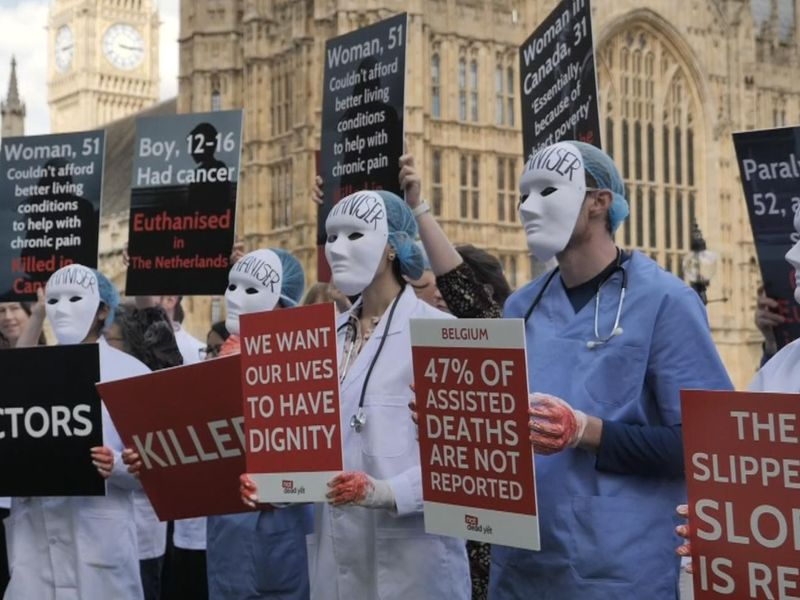
The Terminally Ill Adults (End of Life) Bill passed its second reading debate on 29 November 2024. The current draft of the bill is available here. The dates for the Committee Stage have not yet been announced. Supporters of the bill point out that the bill is limited to allowing assisted dying only for adults with mental capacity who have a terminal illness and can be reasonably expected to die within six months and has a range of safeguards. The process to request assistance requires the approval of two doctors (independent of each other) and a High Court judge. THe bill also creates an offence of dishonesty, coercion and pressure to protect vulnerable people from inappropriate pressures. However, critics of the bill cast doubt on the safeguards, arguing that people can shop around for doctors and that there are not enough High Court judges to provide sufficient scrutiny of applications. There are also continuing debates regarding whether the bill creates a “slippery slope” allowing assisted dying to be available to more people in the future (for example here and here).
In the courts The European Court of Human Rights (ECtHR) has published a judgment that could have wide ranging impacts on states obligations with respect to protection for LGBTQ asylum-seekers. MI is a gay man from Iran who was facing threats from his relatives due to his sexual orientation. He was denied asylum in Switzerland with the Federal Administrative Court holding that while homosexuality is a criminal offence in Iran, in practice convictions are rare. The Federal Administrative Court held that MI’s sexual orientation was not widely known and so he would be safe in Iran provided that he lived “a life of discretion”. The ECtHR held that the Swiss authorities incorrectly determined that MI faced no real risk of ill-treatment because it was unlikely that MI’s sexual orientation would become known to the Iranian authorities. Further, the Swiss authorities failed to carry out the necessary assessment of the availability of state protection against harm caused by non-state actors (in this case MI’s relatives). The ECtHR went on to hold that it would be unreasonable to expect an LGBTQ person to seek protection from the Iranian authorities.
US President Joe Biden agreed last week to provide Ukraine with anti-personnel land mines as part of their 70th military aid package to Ukraine. The decision represents a significant departure from the Biden-Harris Administration’s 2022 policy which committed to limiting the use of landmines on the grounds that the weapons have a ‘disproportionate impact on civilians, including children, long after fighting has stopped’. Ukrainian president Volodymyr Zelenskyy expressed his gratitude to the US in a video address last Wednesday, stating that the ‘essential’ mines will ‘significantly strengthen troops on the front line’. However, the decision has been met with widespread concern. The International Campaign to Ban Landmines has condemned the decision as ‘unconscionable’, expressing that the ‘human cost of this decision cannot be overstated. Ukraine already faces decades of demining work due to extensive Russian landmine use. Adding new mines to this contamination will only extend the suffering of civilians and complicate post-conflict recovery efforts’.
Uganda opposition leader Kizza Besigye appeared in military court this week after disappearing on November 16th in Kenya’s capital, Nairobi. Last Wednesday, it transpired that he was being held in Ugandan military custody when he appeared before the court charged with national security offences and unlawful possession of firearms. Winnie Byanyima, Besigye’s wife and human rights activist, said in a post on X that Besigye ‘has not owned a gun in the last 20 years’, and, as a civilian, ‘should be tried in a civilian court not a military court’. Human Rights Watch have stated that this is only the ‘latest example of Uganda’s authorities misusing military courts and military-related charges to clamp down on the opposition’. UN Human Rights Chief Volker Turk has released a statement expressing his ‘shock’ at the ‘abduction’ and the ‘deeply concerning practice in Uganda of prosecuting civilians in military courts, in contravention of the country’s obligations under international human rights law’.
In the Courts
On Thursday, the International Criminal Court (ICC) announced its decision to issue warrants of arrest for Israeli Prime Minister Benjamin Netanyahu and Former Defence Minister Yoav Gallant, alongside Mohammed Deif, Hamas military leader whom Israel claim was killed earlier this year. The decision comes after the dismissal of two challenges launched by Israel disputing the Court’s jurisdiction. The warrants against Netanyahu and Gallant are issued after the Chamber found ‘reasonable grounds’ to believe the individuals bear criminal responsibility for alleged ‘crimes against humanity and war crimes’. Netanyahu responded later on Thursday to the news of a warrant being issued against him, claiming that the ICC’s warrant is based on ‘false’ accusations made by ‘biased judges who are motivated by antisemitic sentiments against the one and only Jewish state’, and that ‘no war is more just than the war that Israel has been waging in Gaza’. US President Joe Biden has called the decision ‘outrageous’, stating that ‘whatever the ICC might imply, there is no equivalence — none — between Israel and Hamas’. Downing Street, though declining to comment on the specific case, has indicated that it will fulfil its ‘legal obligations’ as imposed under international law. Home Secretary Yvette Cooper, speaking to Sky News, added that it is ‘not really a question of should; we are required to because we are members of the ICC.’
A Wyoming Judge on Monday struck down the State’s ban on abortion – including its explicit ban on abortion pills – following a legal challenge brought by a group of women and non-profit organisations. Melissa Owens, Teton Country district judge, ruled that the ban violated a 2012 state constitutional amendment which enshrined the right of Wyoming citizens to have control over their healthcare decisions. Owens stated in judgment that ‘abortion procedures constitute essential health care for pregnant women’ and that there is ‘no compelling governmental interest to eliminate abortion procedures based on the State’s position that abortions are gruesome and barbaric’. Wyoming Governor Mark Gordon announced the day after judgment was handed down that he has instructed the Attorney General to prepare an appeal to the Wyoming Supreme Court, whose members were all appointed by anti-abortion Republican governors.
The Equality and Human Rights Commission published its written submissions last week in advance of the Supreme Court hearing in For Women Scotland v Scottish Ministers, in which it has been granted permission to intervene. The case, which is likely to result in a landmark decision on the legal definitions of ‘woman’ and ‘sex’, is due to take place on the 26th and 27th of November. The appeal has been brought by the controversial gender-critical campaign group For Women Scotland and contests the lawfulness of Scottish Government guidance which states that a person with a Gender Recognition Certificate that recognises their gender as female is to be treated as having the sex of woman. The EHRC’s submissions on appeal take the view that the definition of sex in the Equality Act ‘creates significant inconsistencies, which impair the proper functioning of the Equality Act and jeopardise the rights and interests of women and same-sex attracted people. […] As the equality regulator, we deem this to be a wholly unsatisfactory situation, which Parliament should address with urgency’. Amnesty International UK, who are also intervening, have stated that they are doing so because they believe ‘it is vital the Court is assisted by submissions setting out why legal gender recognition is a human rights issue and that trans people should not be expected to live without it’. A case note on the decision being appealed this week can be found here on the blog.
This week the Terminally Ill Adults (End of Life) Bill was published, with the second reading vote scheduled for 29 November 2024. The bill would allow terminally ill adults, who have capacity, to request to be provided with assistance to end their own life (clause 1). “Terminally ill” is defined in the bill to mean that the requestor has an inevitable progressive illness that cannot be reversed by treatment and as a result their death can reasonably be expected within six months (clause 2). The requestor would be assessed by two doctors (see clauses 7 and 8) and their request would be subject to approval from a High Court judge (clause 12). The bill confirms that medical workers who object to assisted dying will have no obligation to provide assistance (clause 23). The bill also creates offences of dishonesty, coercion or pressure in relation to requesting assistance (clause 26) and falsification or destruction of documentation regarding requests of assistance (clause 27). The controversial bill has stirred debate regarding the proper balance between bodily autonomy and safeguarding vulnerable people. On this blog, there has been a debate on whether the bill would place the UK in breach of article 2 ECHR (available here and here). There is also discussion of “slippery slopes” ie. whether once the bill has passed assisted dying could be made available to a wider range of requestors and the potential dangers (available here and here).
Last Thursday, legislation providing for safe access zones around abortion clinics came into force. Within these safe access zones, it is now a criminal offence to intentionally or recklessly:
influence any person’s decision to access or facilitate abortion services at an abortion clinic;
obstruct any person from accessing or facilitating abortion services at an abortion clinic; or
cause harassment, alarm or distress to any person in connection with a decision to access, provide or facilitate abortion services at an abortion clinic.
Dame Diana Johnson, Crime and Policing Minister, has stated that she is “confident that the safeguards we have put in place today will have a genuine impact in helping women feel safer and empowered to access the vital services they need”. Last week also saw the introduction of a new preventative duty under the Equality Act 2010 with employers now being required to take “reasonable steps” to prevent the sexual harassment of their employees.
In Other News
The Israeli Knesset (Parliament) voted by a 92-10 majority last Monday night to adopt two bills banning the UN’s Palestinian refugee agency (UNRWA) from Israel and the Occupied Palestinian Territories and labelling it a terrorist organisation. Israeli PM Benjamin Netanyahu said in a post on X (formerly Twitter) that “UNRWA workers involved in terrorist activities against Israel must be held accountable. Since avoiding a humanitarian crisis is also essential, sustained humanitarian aid must remain available in Gaza now and in the future”. However, no alternative aid structure has been proposed, leading to serious concerns about the availability of aid in the region. The new laws are likely to have the effect of forcing the closure of the UNRWA headquarters in East Jerusalem. In response to the vote, UN Security Council President Pascale Christine Baeriswyl has issued a press statement confirming that the members of the Security Council have “underscored that UNRWA remains the backbone of all humanitarian response in Gaza, and affirmed that no organization can replace or substitute UNRWA’s capacity and mandate to serve Palestinian refugees and civilians in urgent need of life-saving humanitarian assistance”. Philippe Lazzarini, UNWRA Commissioner-General, has said that the vote “sets a dangerous precedent” and “will only deepen the suffering of Palestinians” who have already “been going through sheer hell”.
Charity Human Rights Watch (HRW) criticised last week a bill under consideration by the Armenian government which is seeking to enforce mandatory video surveillance across the capital city. HRW have stated that the surveillance is “unjustified and interferes with privacy and other rights”, claiming that it would have a “chilling effect on fundamental civil and political rights”. The proposed laws would require private entities to install surveillance equipment and provide police 24/7 access to live video feeds. HRW referred to a 2022 report from the United Nations High Commissioner for Human Rights on the right to privacy in the digital age which states that mass surveillance for the purposes of general monitoring, of the same type the proposed bill would introduce, is an “almost invariably disproportionate” interference with the privacy of individuals. The Armenian parliament is expected to have a final vote on the bill before the close of the year.
In the Courts
The Supreme Court has handed down judgment in the case of Tindall v Chief Constable of Thames Valley Police, confirming that the police do not owe a positive duty of care in law to protect individuals from harm. The facts of Tindall concern a driver who, after hitting a patch of black ice on the A413 and temporarily losing control but escaping serious injury, reported the ice to the police. The police attended the scene but did not take any effective action to remove the danger, resulting in the deaths of two drivers shortly afterwards who collided after skidding on the same patch of ice. While the Court accepted that the actions of the police amounted to a ‘serious dereliction of their public duty owed to society at large’, it was held that public authorities such as the police are not liable for merely ‘failing to protect’ members of the public. The Court interestingly agreed that the police would have been liable had they actively made matters worse; however, this was not the case on the facts. Tindall is the latest in a controversial line of cases denying that the police should owe a legal duty of care to protect individuals from harm as a result of their special status.
Judgment has also been given in Abu Qamar v Secretary of State for the Home Department, a human rights appeal won by a Palestinian student who had her UK visa revoked after making highly controversial comments regarding the 7 October attacks last year. The First-tier Tribunal (Immigration and Asylum Chamber) held that the Home Office decision constituted a “disproportionate interference with her protected right to free speech” under the ECHR and that the Home Office had failed to show that Abu Qamar’s presence in the UK was “not conducive to the public good”. The Tribunal referenced the “clearly recognised and fundamental distinction between supporting the Palestinian cause and supporting Hamas and their actions,” stating that “nowhere” did the appellant “express support for Hamas specifically, or their actions”. In particular, her referring to Israel as an “apartheid state” was said to be “consistent with views expressed publicly by human rights organisations”.
A presumption of anonymity for firearms officers facing criminal proceedings following police shootings, up until the point of conviction.
Raising the threshold for the Independent Office for Police Conduct (IOPC) to refer police officers to the Crown Prosecution Service (CPS) so that only cases with a reasonable prospect of conviction are referred.
A rapid independent review to consider the legal test for use of force in misconduct proceedings and the threshold for unlawful killing in inquests.
An examination of CPS guidance and processing in charging police officers for offences committed in the course of their duties.
Creating a national database of deaths or serious injuries following police contact or pursuits to incorporate the findings into training and guidance.
IOPC victims’ right to review to be placed on a statutory footing.
The Supreme Court has considered what alternative remedies claimants should seek instead of launching judicial review proceedings. Noeleen McAleenon claimed that she suffered physical symptoms and a deterioration in her mental health due to the odours emanating from a landfill site close to her home. She complained to her local council, Lisburn & Castlereagh City Council, and subsequently launched judicial review proceedings alleging that the council failed to conduct a proper investigation of the nuisance odour, as well as making an article 8 ECHR claim. The council argued that Mrs McAleenon should have sought alternative remedies such as a private prosecution or a nuisance claim against the manager of the landfill. The Supreme Court stated that judicial review is less time consuming and expensive than either a private prosecution or a nuisance claim. Either of those options would not provide Mrs McAleenon with remedies as extensive as her judicial review or article 8 claim, with regard to availability and the quantum. Furthermore, it is not appropriate for a public authority to seek to avoid liability by pointing to an alternative defendant, in this case the manager of the landfill.
Last week, the Government published the new Employment Rights Bill – a bill Deputy PM Angela Raynor has said seeks to “turn the page on an economy riven with insecurity, ravaged by dire productivity and blighted by low pay”. Among the measures included are steps towards ending “exploitative” zero-hour contracts, the introduction of a statutory probation period for new hires, and the removal of the two-year qualifying period for claims to unfair dismissal. The bill places significant emphasis on flexible working as the future of employment, stating that it will be “default for all, unless the employer can prove it is unreasonable”. With various aspects of the bill strengthening protections to women in the workplace, Jemima Olchawski, CEO of the Fawcett Society, has called the bill “a win for women”. However, the bill is not without its critics. Sharon Graham, the general secretary of Unite union, claimed in a post on X (formerly Twitter) that the bill has “more holes than Swiss cheese”, leaving loopholes for employers to evade the provisions on zero-hour contracts and fire & rehire. Whistleblowing charity Protect have also expressed regret that the bill does not go far enough to strengthen protections for whistleblowers.
The Tory leadership race continued last week as the candidates were whittled down to a final two: Kemi Badenoch and Robert Jenrick, both considered to be on the right of the party. Membership of the ECHR has become an increasingly central issue in the race. While Jenrick has promised to leave the ECHR immediately if ever elected PM – calling the issue one of “leave or remain” – Badenoch told Sky News she believes that focusing on the ECHR “shuts down the conversation we need to have with the entire country” about migration. Both candidates have been the subject of criticism for comments made during the party conference. Jenrick, in support of his campaign to leave the ECHR, has controversially claimed that special forces are opting to kill instead of catch terrorists as otherwise the “European Court will set them free”. The charity Action on Armed Violence have stated that Jenrick’s comments “do a disservice to the serious allegations at hand” in the inquiry into SAS killings in Afghanistan, which must be “allowed to proceed without political interference”. Badenoch has come under fire for comments insinuating that maternity pay is “excessive” and that “about 5 to 10%” of civil servants are so bad that they “should be in prison”. She has backtracked on both fronts, claiming her comments were “misrepresented”.
In Other News
A UN report published last Thursday – three days after the one-year anniversary of the October 7th attacks – contains findings that “Israel has perpetrated a concerted policy to destroy Gaza’s healthcare system”, committing war crimes in doing so. The report further states that Israeli security forces have “deliberately killed, detained and tortured medical personnel”, with children having “borne the brunt” of the health system’s “collapse”. It was further found that the “institutionalised mistreatment” of Palestinian detainees had taken place under direct orders from Itamar Ben-Gvir, Israeli National Security Minister. On Friday, in a statement from its mission in Geneva, Israel took strong objection to the report, calling its conclusions “outrageous” and a “blatant attempt to delegitimise the very existence of the State of Israel and obstruct its right to protect its population, while covering up the crimes of terrorist organisations”. Israeli representatives have accused the commission behind the report, the UN Independent International Commission of Inquiry on the Occupied Palestinian Territories, of creating an “alternate reality” and refused to cooperate with the investigations preceding the report’s compilation.
On Wednesday, the United Nations Human Rights Council in their 57thsession adopted a resolution on Afghanistan in response to the escalating crisis in the country, extending the mandate of the UN Special Rapporteur on Afghanistan. The report resulting from resolution 54/1 to carry out a “stocktaking” of accountability options on Afghanistan was also presented at the session. The report detailed a variety of recommendations to Afghan de facto authorities, including the establishment of a moratorium on executions and the implementation of victim-centred transitional justice measures. While Amnesty International celebrated that the stocktaking marked the “first time in recent years that the UN is debating how to address serious accountability gaps”, the measure was nevertheless “inadequate” in the face of the crimes under international law being committed in Afghanistan. Amnesty also criticised the resolution adopted this week, claiming the council have “shied away from sufficiently supporting justice for the people of Afghanistan who have placed their hopes in the international community” by failing to establish an independent international accountability mechanism.
In the Courts
Last week, the European Court of Justice ruled that European Member States are obligated to recognise legal gender identity changes conducted in other Member States. The Court held that Romania’s refusal to recognise the applicant’s UK Gender Recognition Certificate constituted a violation of his right to move and reside freely within the Member States of the European Union. In a press release accompanying the ruling, the CJEU stated that “gender, like a first name, is a fundamental element of personal identity; […] a divergence between identities resulting from such a refusal of recognition creates difficulties for a person in proving his or her identity in daily life as well as serious professional, administrative and private inconvenience”. The applicant’s legal counsel, human rights lawyer Iustina Ionescu, told charity Transgender Europe that the “verdict has shown that trans people are equal citizens of the European Union”.
The European Court of Human Rights has ruled that Cyprus’ immediate return to Lebanon of Syrian asylum seekers intercepted at sea constituted a violation of their human rights – in particular, the prohibition of inhuman or degrading treatment. There had also been a violation of Article 4 of Protocol No. 4 (prohibition of the collective expulsion of aliens). Cyprus had failed to consider the risk of lack of access to asylum in Lebanon, the risk of refoulement, and the individual situations of the asylum seekers. The Court paid significant attention to a Human Rights Watch report published in September 2020 which revealed systematic mistreatment of asylum seekers by Cypriot authorities. The report had been referenced in the applicants’ arguments and was not challenged by counsel for the Government. Cypriot Government spokesman Konstantinos Letymbiotis has stressed that the events concerned occurred in 2020, under the previous administration, and has denied the allegation that the government has been carrying out further refugee pushbacks since the ruling.
At least 39 people were killed and over 3000 injured last week following a series of attacks in Lebanon and Syria in which electronic pagers and radios were remotely programmed to explode. The devices targeted appear to be those belonging to Hezbollah-affiliated individuals. The military group has claimed Israel was behind the attacks which UN experts have termed “terrifying” violations of international law. Amnesty International has called for the establishment of an immediate international investigation – arguing that the attacks “should be investigated as war crimes” should Israel be determined to be responsible. However, Israeli President Isaac Herzog has stated that the nation “rejects out of hand any connection” to the explosions. The attacks are deepening concerns about the risk of full-scale regional war breaking out in the Middle East, resulting in the calling of an emergency Security Council meeting on Thursday. Matthew Miller, spokesperson for the US Department of State, suggests that it is “too early to say” how this week’s events will impact Gaza ceasefire talks.
Former BBC News presenter Huw Edwards has been given a six-month suspended sentence following his pleading guilty in July to the making of 41 indecent images of children. The ‘making’ of images can include the opening of attachments or downloading from the internet. Following the sentence, Claire Brinton, Specialist Prosecutor at the CPS, stated: ‘This prosecution sends a clear message that the CPS, working alongside the police, will work to bring to justice those who seek to exploit children, wherever that abuse takes place.” However, the sentence has been widely criticised as overly lenient, including by Reform UK Deputy Leader Richard Tice who has written to the Attorney General willing him to appeal the sentence. Various reports have featured lawyers explaining that such a sentence is not unusual given the offence and Edwards’ lack of priors, emphasising that “Mr Edwards fared no better and no worse in this sentencing exercise than he would have done were he not a well-known news presenter”. Opinions are surfacing that the public outrage in response to what is a regular sentence exposes deeper issues within the criminal justice system.
Proposed amendments to the Iraqi Personal Status Law, rowing back several aspects of women’s rights, passed a second parliamentary reading on Monday. The law will soon be put to a final vote. The amendments seek to lower the legal age of marriage for girls to nine years, remove important rights of women in divorce and inheritance settings, and grant religious authorities further command over family matters. Human Rights Watch have noted that “Article 14 of the Iraqi constitution, as well as international human rights law, guarantee all Iraqis the right to legal equality. This amendment would not just undermine this right; it would erase it”. Iraqi women are leading the charge against the amendments, including Noor al-Jilaihawi – an Iraqi MP who has revealed that the parliament’s president refused to acknowledge a request by 124 MPs (over a third of parliament) to remove the reading from Monday’s agenda. On Sunday, the Supreme Judicial Council of Iraq came out in support of the proposed amendments and stressed their view that the amendments would not infringe upon women’s rights.
In the Courts
Last week, the Northern Ireland Court of Appeal upheld the finding that the Northern Ireland Troubles reconciliation law breaches human rights. The controversial first instance judgment in Dillon and others v Secretary of State for Northern Ireland disapplied large portions of the Northern Ireland Troubles (Legacy and Reconciliation) Act 2023 for contravening the Article 2 of the Windsor Framework, a post-Brexit measure ensuring that the UK does not erode the human rights protected within the Good Friday Agreement. While the Act had intended to facilitate the end of legal proceedings relating to the Troubles, it has been met with consistent opposition from victims. The Court of Appeal held the Act to be unlawful on various grounds, including that it seeks to create an immunity for criminal activity related to the Troubles and that it fails to sufficiently safeguard victims. The new Labour Government have suggested they intend to repeal several key features of the Act.
Former Tory MP Owen Paterson has lost his appeal to the European Court of Human Rights. The Court declined to grant the declaration sought that the parliamentary investigation into Paterson’s conduct whilst MP was unfair and procedurally flawed. The former MP resigned in 2021 following an investigation and final report which recommended his suspension for an ‘egregious’ breach of lobbying rules. The Court found that the inquiry had been “fair, rigorous and thorough” and emphasised it was not for courts to interfere with the “business of Parliament” – such as how standards are enforced. The Court were further unable to attribute Paterson’s claimed £120k per annum financial losses to the investigation since “as he himself resigned from the House of Commons before the house could consider whether or not to apply the recommended sanction [of suspension], neither the loss of his seat nor the loss of income from his position as an MP were a necessary consequence of the investigation”.
The European Court of Human Rights also handed down judgment last week in Pindo Mulla v Spain, holding that the administration of blood transfusions to a Jehovah’s Witness against her will “breached her right to autonomy”. There had consequently been a violation of her Article 8 (right to respect for private and family life) of the European Convention on Human Rights when read in the light of Article 9 (freedom of thought, conscience and religion). Although it was found that the situation had arisen out of improper documenting of Ms Pindo Mulla’s wishes not to receive blood, the Court emphasised that in all cases, “a patient’s autonomy was to be reconciled with their right to life”. As to the documentation, it was underlined that “where a State [has] decided to put in place a system of advance medical directives relied on by patients, it [is] important that the system functions effectively”. Speaking to AFP, Pindo Mulla said she was “very happy that justice has been done” and seemed hopeful that the ruling would “allow the rights of other people to be respected in the future.”
The Courts and Tribunals Judiciary has just published the newest edition of the Administrative Court Judicial Review Guide. The guide covers all the stages of judicial review proceedings, and is available here, for the perusal of practising and aspiring lawyers (as well as interested others).
In international news
Tedros Adhanom Ghebreyesus, the director-general of the World Health Organisation has criticised the inadequate international response to the conflict in Sudan. Since April 2023, over 20,000 have been killed and over 10 million people are displaced, while 25.6 million people (around half of Sudan’s population) are facing high levels of food insecurity. Ghebreyesus has called for an immediate ceasefire with a lasting political solution as well as a scale up in the delivery of humanitarian aid. Human Rights Watch have published a report about the flow of foreign arms which are sustaining the fighting. Human Rights Watch have traced the weapons to China, Russia, Iran, Serbia and the United Arab Emirates, and argue that weapons such as armed drones, rocket launchers and anti-tank missiles have been used in attacks against civilians. Human Rights Watch is calling for an arms embargo for the entirety of Sudan, and a sanction regime to punish those violating the existing arms embargo on Darfur.
The High Court has quashed the grant of planning permission for a new coal mine at Whitehaven, Cumbria. The Secretary of State had previously admitted an error of law as the downstream emissions caused by the inevitable burning of the extracted coal were not factored into the Environmental Impact Assessment, thus the appeal was litigated by the mine owner West Cumbria Mining. The High Court did not accept the argument that coal mined in Cumbria would substitute coal extracted elsewhere to meet market demand, or the argument that the mine would have a “net zero” impact because West Cumbria Mining pledged to purchase carbon credits.
A contractual dispute between Tesco, the Union of Shop Distributive and Allied Workers, and a small group of Tesco’s employees has shone a new light on controversial “fire and rehire” practices. In 2007, Tesco closed down some of its distribution centres and opened new ones in new locations. To persuade staff to relocate they offered enhanced pay referred to as “retained pay”. Employees were told that the retained pay was permanent. In January 2021, Tesco decided to “phase out” the retained pay in exchange for a lump sum, and told employees that if they did not did not accept this change their contracts of employment would be terminated and they would be rehired on new contracts with the retained pay removed. The Supreme Court held that there was an implied term, required for business efficacy, that Tesco could not terminate the employees’ contracts to rehire them without the retained pay. The mutual intention of the parties was that the retained pay would serve as an inducement for experienced workers to relocate and this would be undermined if Tesco had the right to unilaterally remove the retained pay at any time for its business purposes.
Following May’s High Court judgment finding former Home Secretary Suella Braverman’s protest regulations unlawful, human rights organisation Liberty claimed last week that the Home Office has decided to continue its appeal. The case, spearheaded by Liberty, sought to challenge the lowering of the threshold for “serious disruption” during protest from “significant” and “prolonged” to “more than minor” by statutory instrument – which opponents claim is an abuse of secondary legislation. Despite the new Labour government initially pausing the former Tory government’s plans to appeal, Liberty have stated that the Home Office have recommenced the appeal after talks to resolve the dispute failed. The director at Liberty, Akiko Hart, has said she believes the legislation to be “undemocratic, unconstitutional and unacceptable” and that the decision to appeal shows “disregard for the rule of law”. Liberty have stated that the appeal will be heard later this year, with a date yet to be confirmed. A spokesperson for the Home Office has said that “the right to protest is fundamental to our democracy, and all public order legislation must balance this right. However, we disagree with the court’s ruling in this case and have appealed their decision.”
Scotland’s Chief Inspector of Prisons has claimed that the country’s “broken” prison system results in inmates being “set up to fail”. Having stepped down from her role at the end of August, Wendy Sinclair-Giebens expressed concerns about the state of Scottish prisons: “The prison service is underfunded and under-resourced for what the public and judiciary expect of it, yet it’s a very big organisation having to deal with the most marginalised, violent and mentally ill in society”. She revealed there is a pool of inmates unable to move further towards parole due to the “huge” waiting lists for the mandatory behavioural programs. The news follows a 2023 ruling by an Irish judge barring the extradition of a man to Scotland on the basis of a “real and substantial risk of inhuman or degrading treatment”, largely a result of the overcrowding of Scottish prisons. The ruling was, however, later overturned on appeal following express assurances from the Crown Office in Edinburgh that the prison would implement a tailored care plan for the respondent. Last week also saw the release of 477 Scottish prisoners as part of an emergency scheme to ease prison overcrowding as Scotland’s justice secretary revealed the prison population has risen by 13% in the last year.
The annual report of the Committee on Fuel Poverty published last week has revealed that fuel poverty is “flatlining rather than falling”. Despite a reduction in fuel poverty of 40% between 2010 and 2019, the last five years has not seen fuel poverty fall “to any meaningful extent”. The government has identified the groups at highest risk of being unable to afford energy and “living in a cold home” as those living in the private rented sector, ethnic minority households, and households using pre-payment meters – the government has emphasised the importance of aligning fuel poverty mitigation measures with wider equality goals. The report follows the controversial announcement by the new Labour government that universal winter fuel payments to pensioners will be scrapped. The energy minister, Miatta Fahnbulleh, has been conducting meetings to consider support measures for households experiencing fuel poverty. The annual report emphasises that it “is not defeatist. The Committee believes fuel poverty can be beaten. But for too many low-income households, the unaffordability of bills, especially in the coldest months, is all too real. We foresee that targeted financial support, possibly including the use of social tariffs, for vulnerable and low-income households may be needed for some years to come.”
In International News
A new “morality” law introduced by the Taliban last week has been met with condemnation by the UN and various human rights organisations. Titled “The Propagation of Virtue and Prevention of Vice Law”, the law seeks to prevent leading men into “vice” by requiring women to be completely veiled in public. Women are also prevented from singing or reading aloud where they could be heard by a non-family member, as well as looking directly at men to whom they are not related. The laws state that “whenever an adult woman leaves her home out of necessity, she is obliged to conceal her voice, face, and body”. The Chief Spokesperson for the UN Office of the High Commissioner for Human Rights has stated that the law “effectively attempts to render [women] into faceless, voiceless shadows” and called for its immediate repeal. The head of the United Nations mission in Afghanistan, Roza Otunbayeva, said that the law reveals a “distressing vision” of the country’s future by extending “the already intolerable restrictions on the rights of Afghan women and girls”. The law comes in defiance of Security Council Resolution 2681 (2023) which called on the Taliban to “swiftly reverse its policies and practices restricting women and girls’ enjoyment of their human rights and fundamental freedoms”. It has been reported that Afghan women are posting videos online of themselves singing in protest against the new restrictions.
A UN report published on Friday has further exposed the ongoing human rights violations in Libya. The accompanying press release slams the “lack of accountability and years of impunity” by those committing the violations as further fuelling instability in the country. The report investigates unlawful killings, torture, kidnappings, and sexual violence committed by Al-Kaniyat – a local militia who have conducted what has been termed by the UK Government a “reign of terror” in the region of Tarhuna. The report reveals “serious violations of international humanitarian law”, calling for accountability, the delivery of justice, and effective reparations for victims. The report argues that “leaving root causes and drivers of conflict unaddressed […] will serve to fuel toxic cycles of violence and revenge between communities.” The UN High Commissioner for Human Rights, Volker Türk, expressed a similar sentiment, stating that “the impunity must end – there must be accountability in accordance with international due process and fair trial standards.”
The Swiss Federal Council voted last Wednesday to affirm Switzerland’s rejection of the groundbreaking KlimaSeniorinnen ECHR judgment from last April, which found that Switzerland was breaching human rights through climate change inaction. Despite previous calls by the dominant party – the Swiss People’s Party – for Switzerland to leave the Council of Europe, the Swiss Federal Council instead reaffirmed in a press release that “the ECHR and membership of the Council of Europe, whose fundamental values of the protection of human rights, democracy and the rule of law include, remain of great importance to Switzerland”. However, it was added that “the case law must not lead to an extension of the scope of the ECHR”. The move has been criticised by the Center for International Environmental Law as an “embarrassment” for Switzerland, who it claims have missed an opportunity to “strengthen its climate policy in accordance with undisputed science”.
The Children’s Commissioner for England, Dame Rachel de Souza, has published a report which found that black children are four times more likely to be strip searched compared to national population figures. The report analysed a dataset of all the strip searches conducted by all 44 police forces in England and Wales from January 2018 to June 2023. The report found that in almost half (45%) of the strip searches an appropriate adult was not confirmed to be present and the youngest child searched was eight years old. The majority (88%) of searches were conducted on suspicion of drugs and in 47% of cases the search resulted in “no further action”. The Commissioner argues that this calls into question their necessity and that strip searches should only be carried out on children where there is a clear and immediate risk of harm to themselves or others.
The Home Secretary, Yvette Cooper, has announced new measures to significantly increase the removal of failed asylum seekers. These measures include recruiting 100 specialist intelligence officers to the National Crime Agency to disrupt human smuggling gangs, new measures to target employers who hire illegal workers, and increasing capacity at the Campsfield and Haslar Immigration Removal Centres.
In international news
The Ukrainian Parliament (Verkhovna Rada) has passed legislation to ratify the Rome Statute of the International Criminal Court (ICC) making Ukraine a state party. The Ukrainian Foreign Minister Dmytro Kuleba has stated that the move shows Ukraine’s “unwavering commitment to strengthening international justice” and to work effectively with the ICC to “ensure comprehensive accountability for all Russian atrocities committed in the course of Russian aggression”. The ratification of the Rome Statute is also a requirement for Ukraine to join the European Union, as set out in the Association Agreement between the European Union and Ukraine. The ICC has so far issued arrest warrants for Vladimir Putin, Commissioner for Children’s Rights Maria Lvova-Belova, former Minister of Defence Sergei Shoigu, and Chief of the General Staff of the Armed Forces and First Deputy Minister of Defence Valery Gerasimov.
The UK government has lost an appeal against the decision that it cannot restrict the movement of asylum seekers who inadvertently arrived at the Diego Garcia military base. In October 2021, 47 Sri Lankan Tamil asylum seekers, including a number of children, were rescued at sea by the Royal Navy and brought to the military base which is classified as a British overseas territory. Since then they have been restricted to a small area of the island due to the “operational, security, health and safety risks” if they were granted freedom of movement. The court rejected the government’s grounds of appeal, inter alia, that the judge acted unreasonably in failing to place adequate weight on the authorities security concerns. This long-standing litigation has been followed and reported by Joshua Rozenberg KC (hon), and his commentary is available here.
The Federal Court of Australia has determined that Australian case law has consistently held that sex is “changeable and not necessarily binary”. Ms Roxanne Tickle, a trans woman, sued Giggle for Girls, a social media app for communication between women, alleging unlawful gender discrimination when she was barred from having an account on the app. The court held that the claim of indirect gender discrimination succeeds, as to gain access to the app users had to send a selfie and the reviewer determined that Ms Tickle did not have the appearance of a cisgender woman.
This blog is maintained for information purposes only. It is not intended to be a source of legal advice and must not be relied upon as such. Blog posts reflect the views and opinions of their individual authors, not of chambers as a whole.
Our privacy policy can be found on our ‘subscribe’ page or by clicking here.







Recent comments