We use cookies to enhance your browsing experience. If you continue to use our website we will take this to mean that you agree to our use of cookies. If you want to find out more, please view our cookie policy. Accept and Hide [x]
In this two-part article, Ruby Peacock,an aspiring barrister and currently a legal and policy intern at the Legal Resources Centre in Cape Town, examines the history of medical claims brought under Article 3 of the European Convention on Human Rights.
The first part analyses the history of how such cases have been decided, with particular focus on claims based on psychiatric illness.The second part will examine the recent developments in the law and what these may mean for the future.
On Wednesday 30 December, the UK parliament passed Boris Johnson’s trade and cooperation agreement with the European Union. Professor Catherine Barnard of Cambridge University is continuing her series 2903 CB. Everyone agrees this is a bit of a thin deal – as Catherine predicted – but is it a good deal?
As Catherine said, the negotiating team has delivered on sovereignty. There’s no reference in the text to the CJEU or EU law. On the other hand, there’s very little about services of any sort in the deal. This is because the UK was so keen not to be subject to the European Court of Justice, so it was not looking for concessions in this area.
The document is a daunting 1246 pages long – but the first four hundred odd are the meat of the deal, and in Episode 133 Professor Barnard delivers a succinct and truly helpful summary of what she calls a “Canada minus” free trade deal.
Rampant spread, fuelled by a combination of a new variant that is around 50-70% more transmissible, plus a lifting of restrictions at the beginning of December, brings us into another national lockdown.
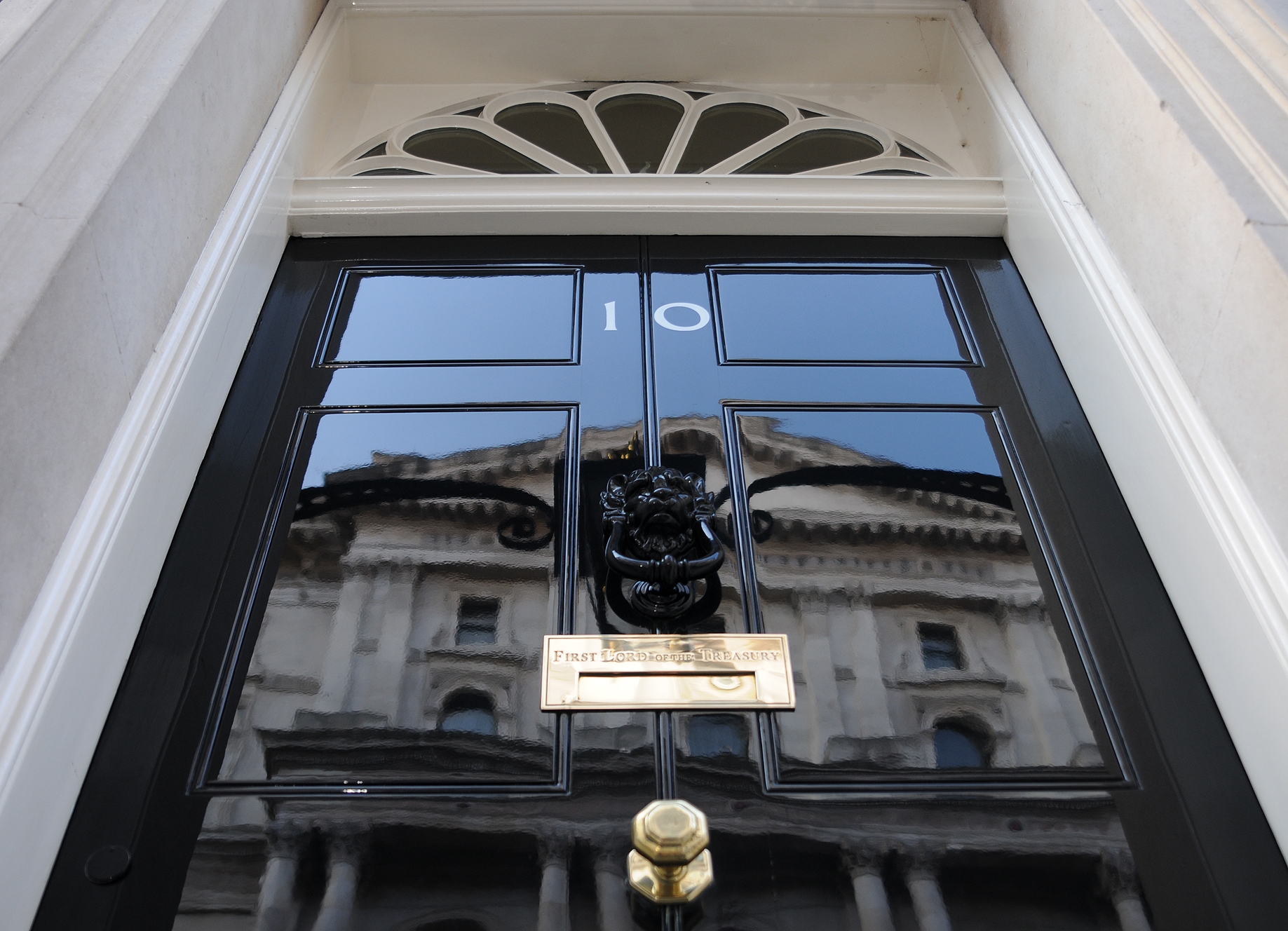
In many ways, Prime Minister Boris Johnson’s first address of 2021 felt unpleasantly like a return to early 2020.
The original “Stay Home” messaging made a comeback. The Prime Minister was deliberately vague about how long lockdown would last. Big Brother Watch criticised the government for “yet again … evading the democratic process” by denying MPs a meaningful vote on the new national restrictions prior to their televised announcement to the nation, or their coming into force. The new guidance differs from the Tier 4 guidance in emphasis, if not substance.
Ever the optimist, the Prime Minister was keen to emphasise “one huge difference” between this lockdown and the first one: the UK is “rolling out the biggest vaccination programme in its history”. He also managed to get in a jab at the UK having delivered more vaccines than the rest of Europe combined.
There were other, more subtle differences, as No. 10 tweaked its messaging in light of past mistakes.
This blog is maintained for information purposes only. It is not intended to be a source of legal advice and must not be relied upon as such. Blog posts reflect the views and opinions of their individual authors, not of chambers as a whole.
Our privacy policy can be found on our ‘subscribe’ page or by clicking here.





Recent comments